

I came to Raid Guild looking for work.
It was 2020, pandemic lockdown, the economy collapsing around everyone’s ears, and I was a freelance UX researcher and designer trying to find clients in the Web3 space. I expected something like Upwork or Fiverr - a job board, a marketplace, a massively multiplayer arena of freelancers grinding against each other for scraps. I expected competition. I expected eye gouging hustle.
What I found was a collective of lunatics building ideological weapons against a baby eating god named Moloch. It blew my mind.

Still with me? I should back up.
What In The Actual Fuck?
Raid Guild describes itself as a decentralized collective of Web3 mercenaries. Every word in that phrase carries weight.
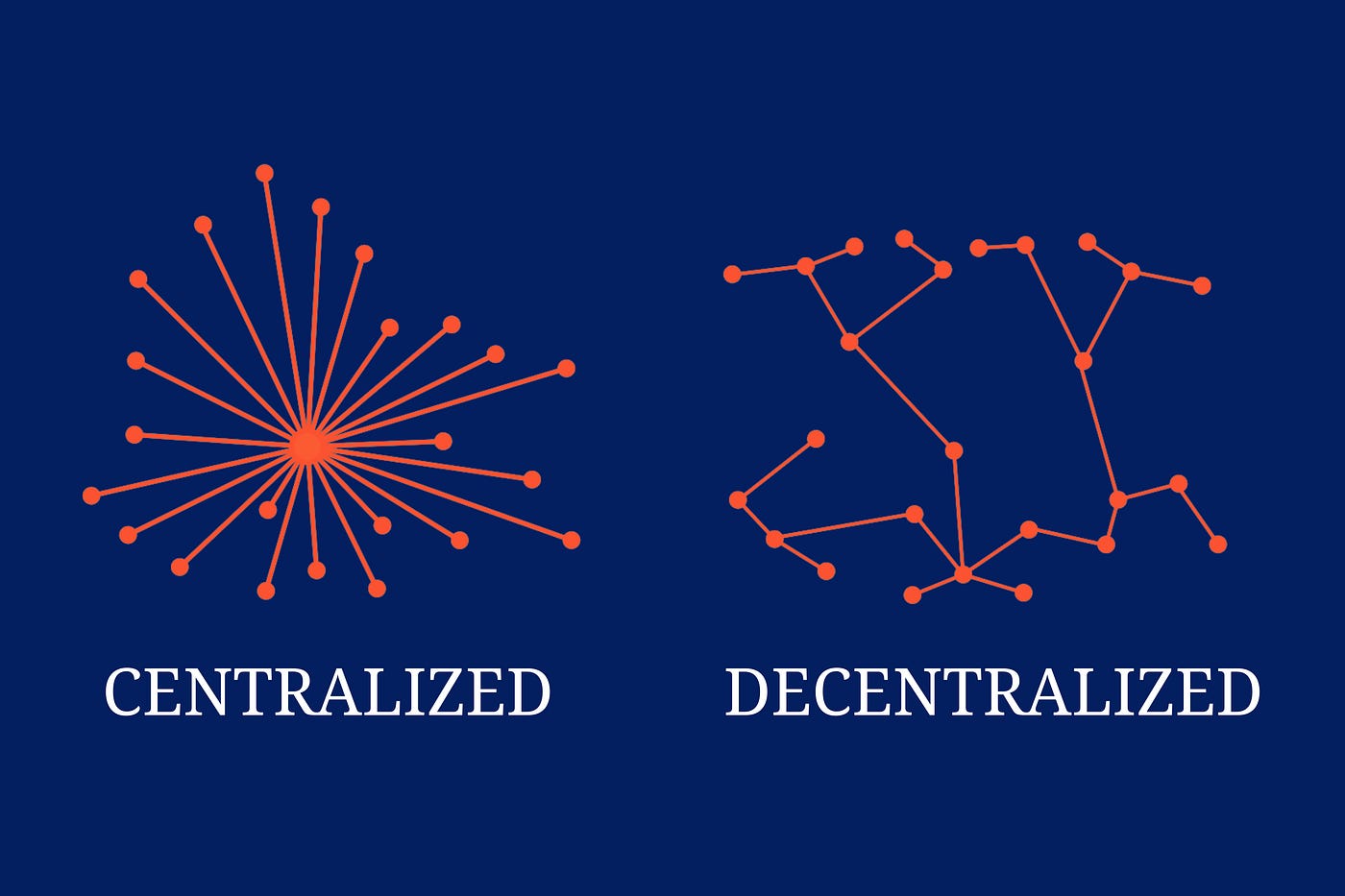
Decentralized means we have no CEO, no central authority, no owner dictating how things operate. We’ve been a DAO - a decentralized autonomous organization - since day one, founded in 2019, which makes us one of the oldest continuously operating collectives of our kind in the Web3 ecosystem. Our members are dispersed across the globe, making their own decisions, operating in their own ways, without asking permission. This has resulted in some of the most bizarre and beautiful experiments I’ve witnessed in organizational design. It has also resulted in situations where we fundamentally disagree with each other, and that’s fine. We embrace dissensus over consensus. We understand that forcing agreement often produces the kind of watered-down compromise that kills everything interesting.
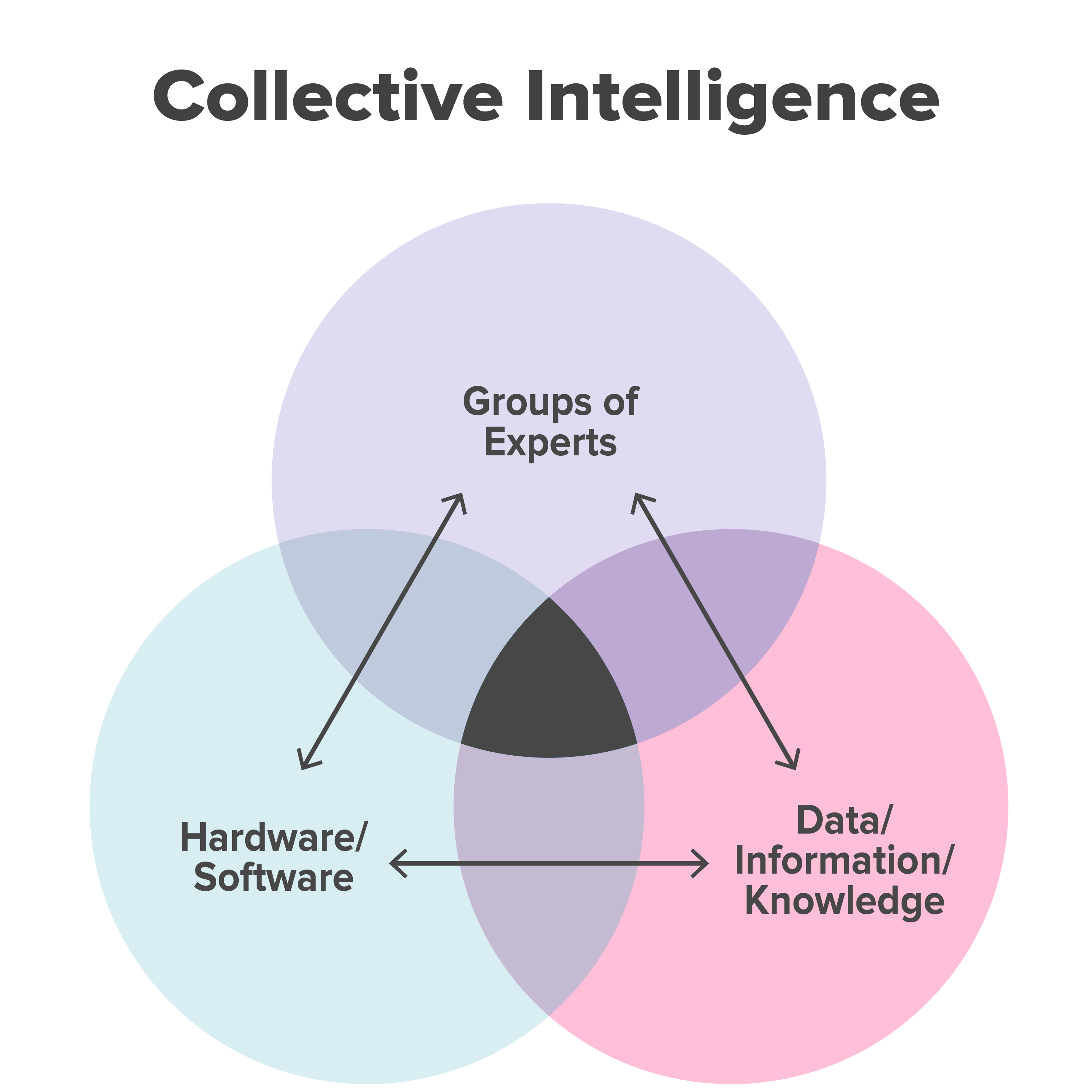
Collective means we operate like a worker’s cooperative, a union of sorts. Individual freelancers are vulnerable. Banded together, we form something with more mass, more gravity, more capacity to define our own terms. We have codes of conduct and value statements. We write and rewrite our own manifestos - some might call them constitutions - and we’re constantly debating how to ratify them, how to hold ourselves accountable to them, whether these documents matter as founding texts or as roadmap hallucinations orienting us toward futures we haven’t yet built. Our legal structure exists, but everything about how we actually operate would give a corporate lawyer an aneurysm. We’re a radically punk experiment in what organizations could become if they stopped genuflecting to inherited forms.
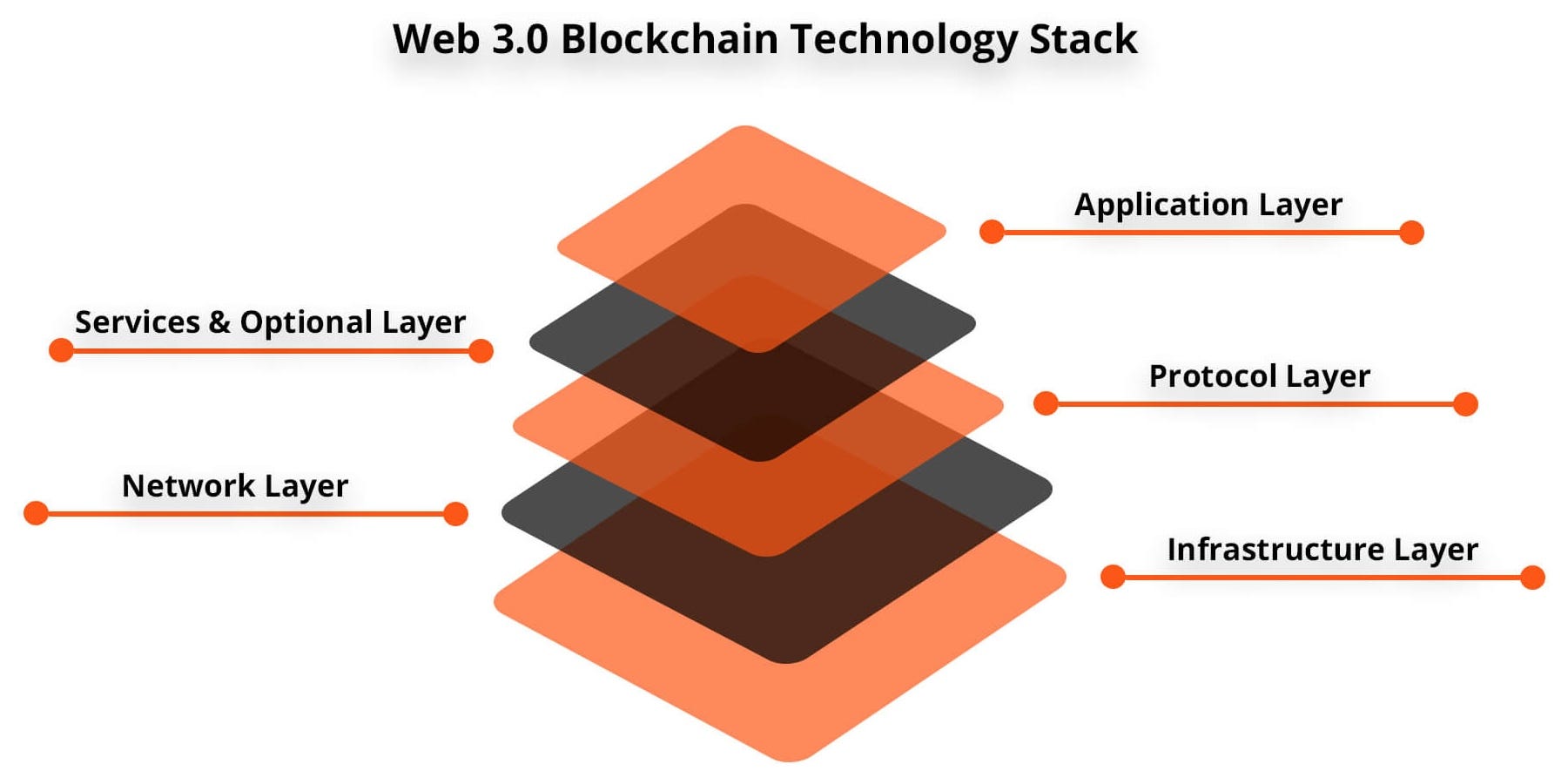
Web3 is where this gets interesting, because Web3 constantly gets conflated with cryptocurrency, and that conflation causes immense confusion. Cryptocurrency is the economic layer - tokenized units enabling reconfiguration of exchange, speculation, the whole casino dimension that dominates public perception. Web3 is more profound. Web3 is the entire technological stack: from the hardware validators securing the Ethereum blockchain, through the protocols and improvement proposals that ratify subtle shifts in how the network operates, to the application layer where interfaces meet users and invite them to imagine a radically different world. Web3 is infrastructure plus vision. It’s the technical substrate and the radical imagination of what that substrate makes possible.
When Raid Guild identifies with Web3, that’s a conscious decision to align with decentralized infrastructure, to identify with the ideological and cultural substance of what this technology enables. This has never been about Chuck E. Cheese tickets, shitcoins, meme-driven hype waves, extractive mechanisms repeating every mistake from traditional finance, vaporware promising revolution while delivering nothing, rug pulls orchestrated by anonymous founders, ponzinomics dressed up as innovation, influencer pump-and-dumps, or overpriced JPGs sold to greater fools. There’s something radical happening here. Dare I say revolutionary. The Ethereum ecosystem represents a genuine attempt to build coordination infrastructure that could - if we’re skilled enough, if we fight hard enough - shift the fundamental terms of how humans organize collective action.
Mercenaries is the complicated one. The mercenary label seems to imply we’re counterpoint to socialist or communist enterprises oriented toward common good. The opposite is true. We serve the commons. We’ve invented a new form of mercenary philosophy where we’re highly selective about who we work with, where alignment matters more than payment, where there’s more at stake than tokens. We understand Web3 game theory intimately - the prisoner’s dilemma, the structural incentives toward defection, the ways that rational individual action produces collective catastrophe. We understand this at the level Daniel Schmachtenberger articulates it, where game-theoretic failure becomes existential threat, where the race to the bottom threatens civilization itself.
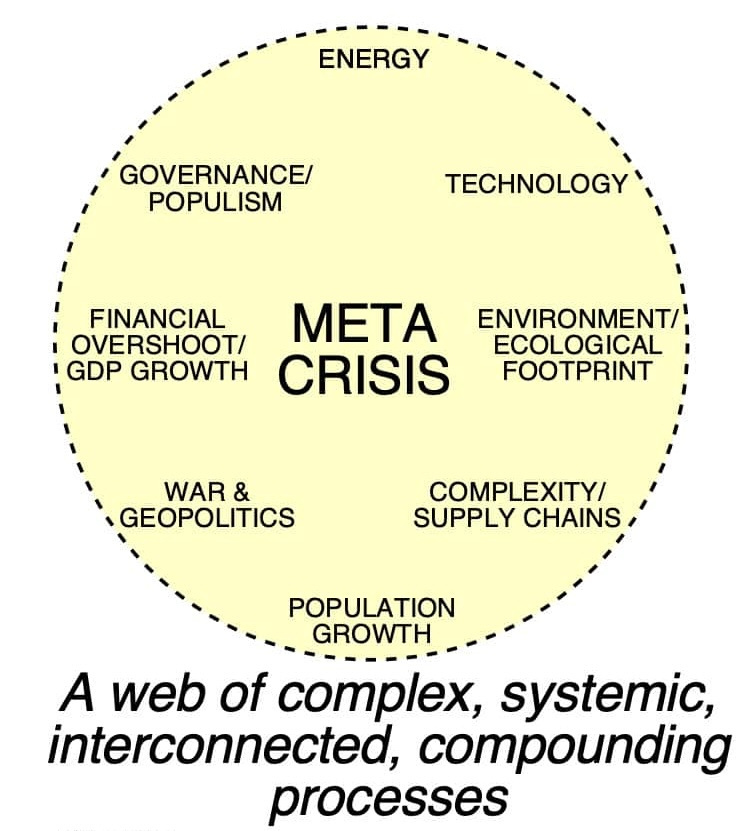
We operate at that scale. We think at that magnitude. For us, this is an existential quest.
The Enemy
There’s a god named Moloch, and we are at war with him. You are too, even if you don’t realize it.
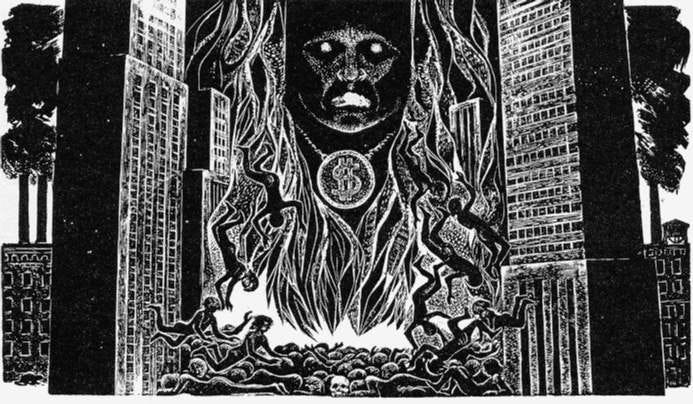
The language here is theological because theology is what you reach for when the stakes exceed ordinary secular description. Moloch is the ancient Canaanite deity associated with child sacrifice, the god who demands you destroy what you love most in exchange for victory over your neighbors. In 1955, Allen Ginsberg wrote “Howl,” that incandescent scream of a poem, and addressed Moloch directly:
Moloch whose mind is pure machinery! Moloch whose blood is running money! Moloch whose soul is electricity and banks!
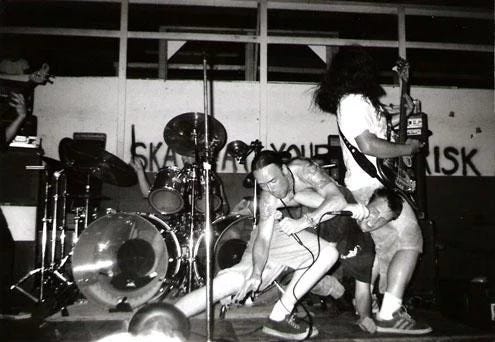
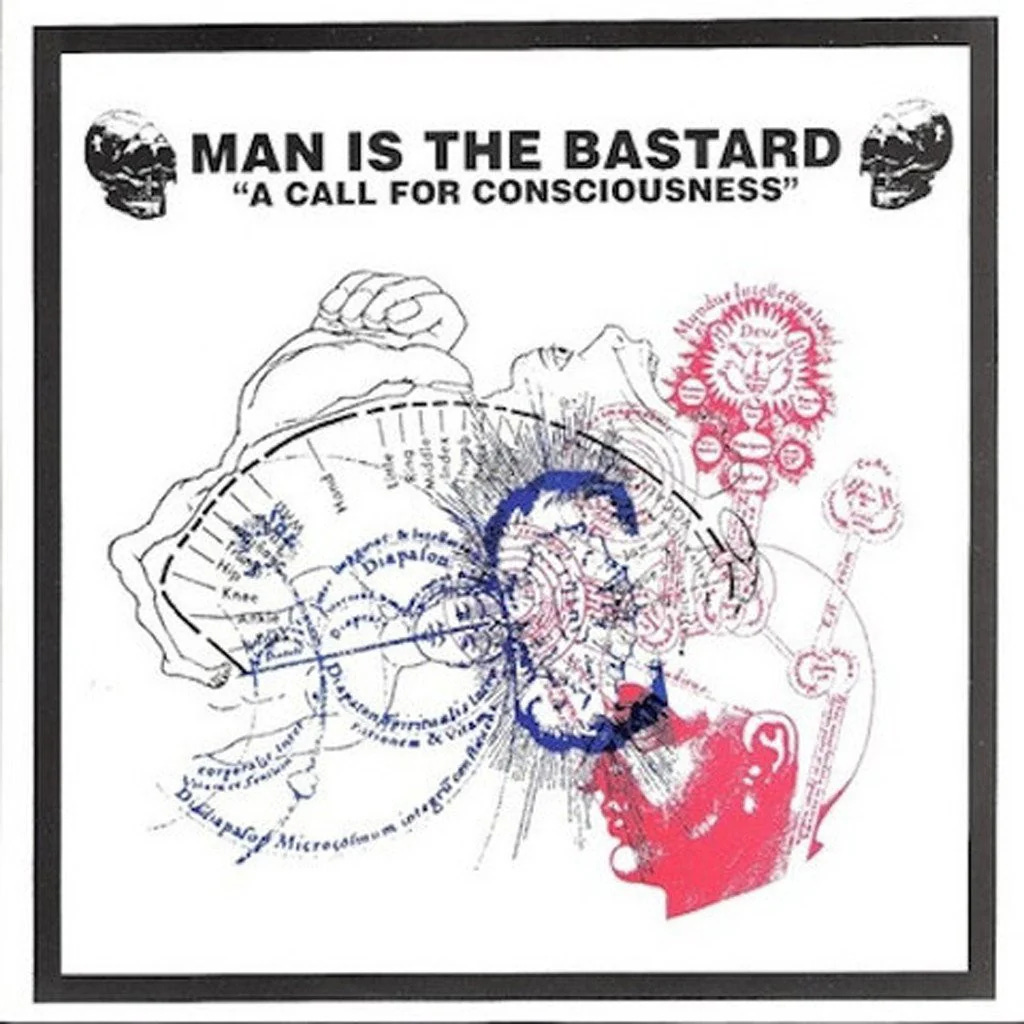
The Southern California power violence band Man Is The Bastard recognized in Ginsberg’s invocation the enemy they’d been fighting all along. They coined the term power violence to describe their flavor of noise. They set Ginsberg’s Moloch section to grindcore sublime. Then, in 2014, Scott Alexander wrote “Meditations on Moloch,” translating the mythology into game theory, explaining how coordination failure functions as an emergent god demanding sacrifice, and suddenly the Web3 ecosystem had a name for what it’s building against.
Moloch is the race to the bottom. Moloch is the structure that makes defection rational even when cooperation would save everyone. Moloch is the thing that eats collective action, that turns common resources into tragedies, that forces prisoners (us) to betray each other even when we’d both prefer to cooperate. Moloch is defection personified, and coordination failure at sufficient scale, compounded across sufficient domains, becomes extinction event.
This is the war we’re fighting. When Raid Guild uses violence metaphors - mercenaries, weapons, blacksmiths forging arms, slaying demons - we’re pointing at this. This can be correlated to the gore aesthetic in metal music subcultures, punk’s use of brutal imagery, the willingness to make people uncomfortable. This is intentional signaling aligned with a lineage that includes Cronenberg’s body horror, Troma’s absurdist splatter films like The Toxic Avenger, the kitsch gore of 1970s Heavy Metal magazine, the bloody album covers of bands that deploy aesthetic shock as cultural weapon. We’re self-aware about this. We know what we’re doing. We incite strong reactions because strong reactions are what the stakes demand.
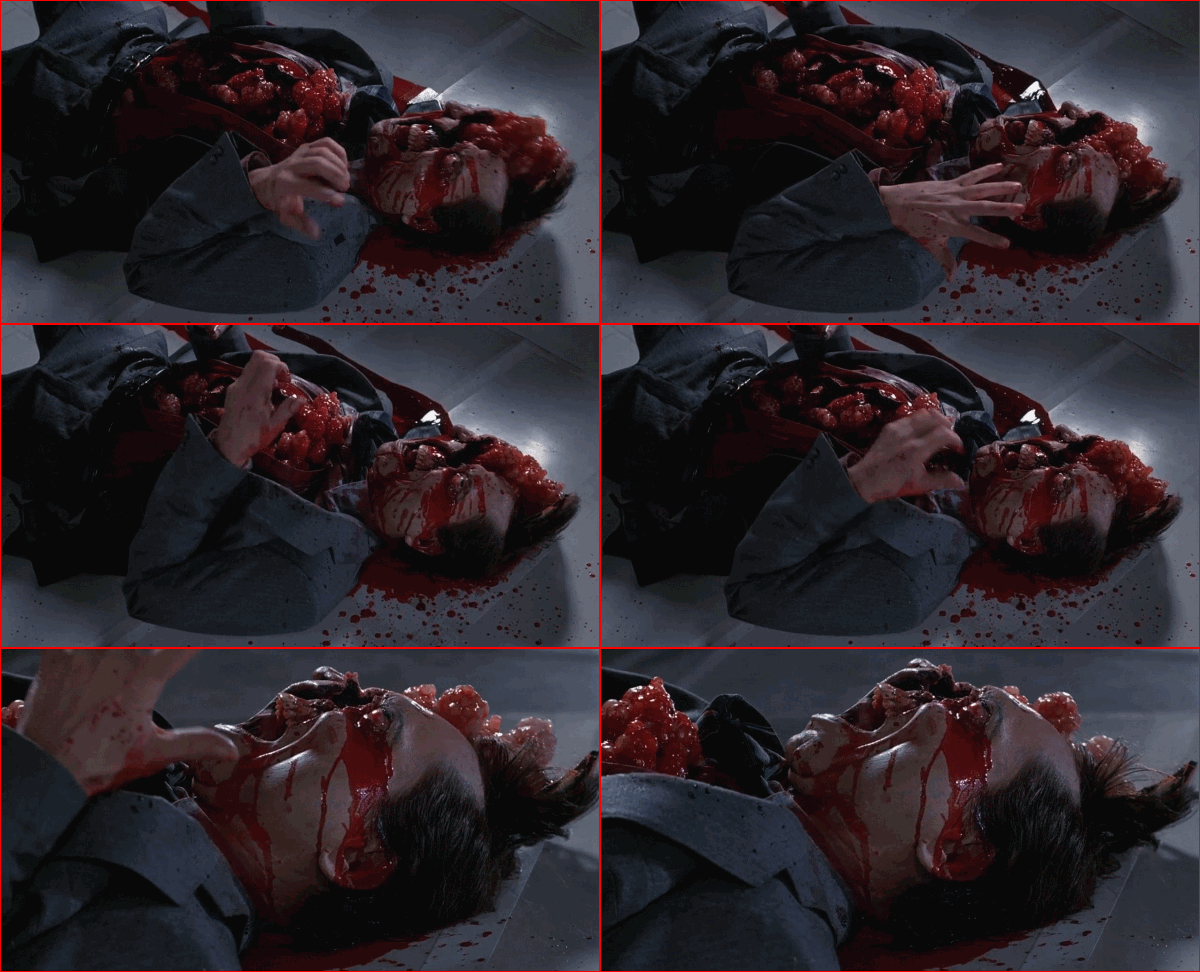
The war against Moloch is a war against ourselves - against the parts of us that hoard, that extract marrow from the commons, that cannibalize shared resources for private warmth, that optimize privately while the world burns globally. We’ve organized ourselves into a collective specifically to create conditions where cooperation becomes the rational choice, where building for the commons becomes incentivized, where the tools we forge can be wielded by anyone fighting the same enemy.
The Culture
The name “Raid Guild” comes from role-playing games, but the lineage runs deeper than the digital.
Before mind-numbing synthetic garbage like World of Warcraft, before any massively multiplayer online game, there were nerds in basements playing Dungeons & Dragons: analog, DIY, players building worlds for other players. That basement culture was for freaks and geeks, punks and goths, for people who didn’t fit the mainstream, creating elaborate mythologies with twenty-sided die and paper and steaming hot imagination. The digital evolution into MMORPGs came later, but the seed was always about forming a party, assembling diverse skills, trusting each other, accomplishing something none of you could achieve alone.
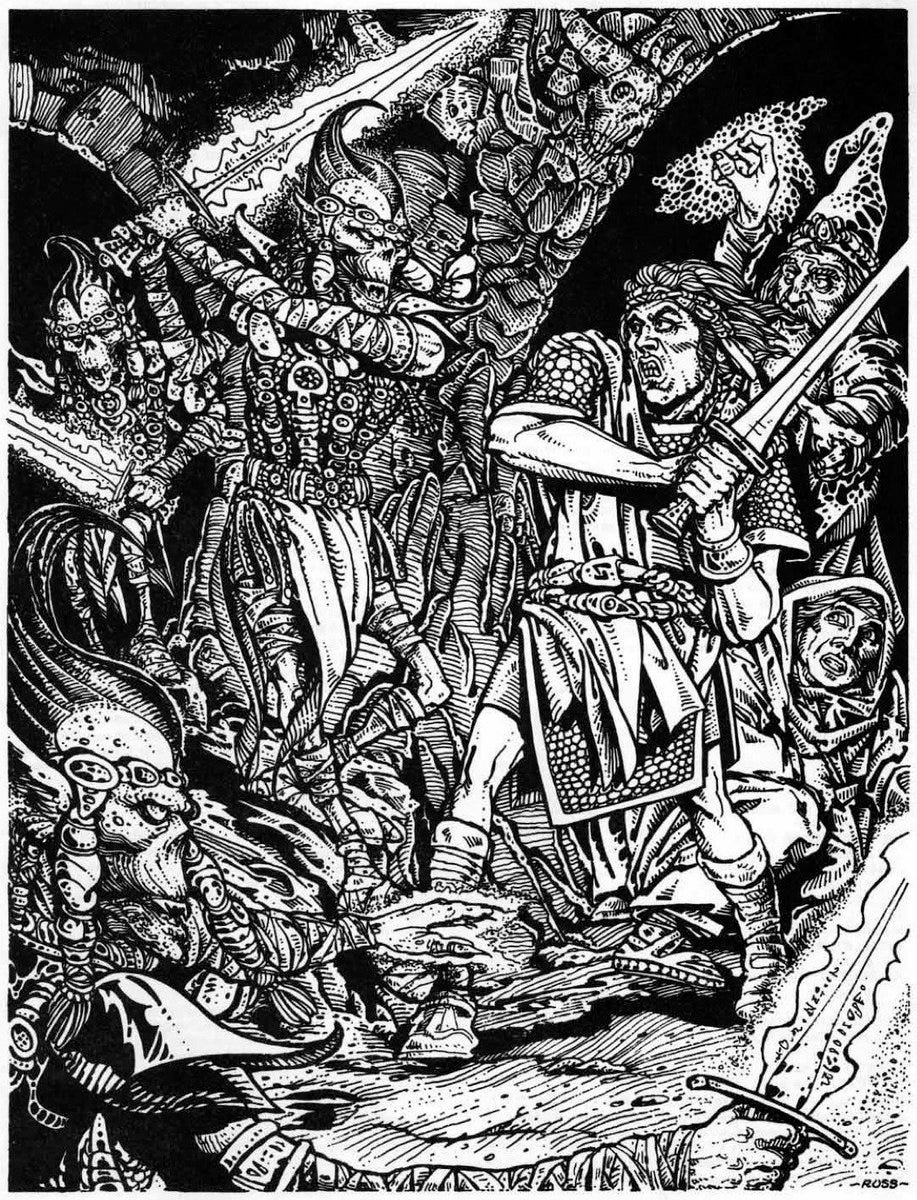
This is our mythological operating system. We form raid parties. We prepare for battle. Client quest after client quest, we hone our skills - design, development, research, strategy, mechanism design—and we fucking slay demons. The gaming vocabulary carries the weight of that history. Many of us grew up playing video games, finding community through the shimmering mirror portal of computer interfaces, connecting with people across the world in ways that felt alienating to outsiders but profoundly communal to us. That experience shaped how we think about collaboration, about parties assembling for shared purpose, about the metagame.
The metagame matters. There are people who play games according to the rules, immersed in the world the designers built. There are speed runners who understand games so deeply they find the red lines even developers didn’t anticipate, breaking the intended flow while revealing the code’s hidden architecture - a form of praise so intense it becomes a loving form of white-hat hacking, generative rather than destructive, opening possibilities for how to think about the game differently. There are modders who take the ontological foundation of a game universe and rebuild its physics, its constraints, creating radically alternative experiences through open-source community development. And there are indie game designers who aspire to build worlds themselves, experimenting with game creation as art form.
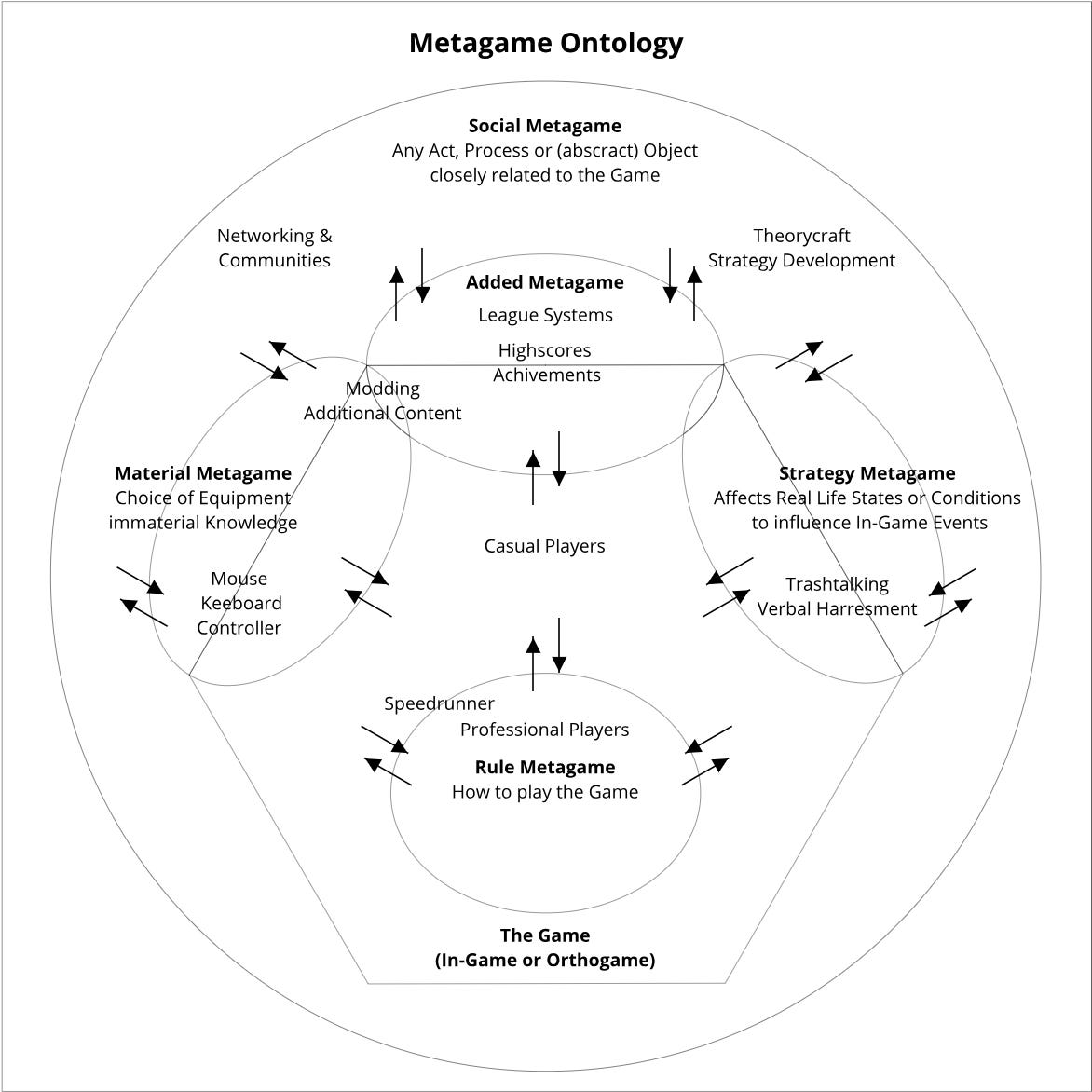
Raid Guild locates itself in the metagame beyond all these, the space where we’re designing the rules themselves, defining radically new ways of playing, shifting incentive structures so cooperation outweighs competition, so the prisoners’ dilemma dissolves into something better. We’re playing the game that determines what games are possible.
We use Discord as our communication platform (lol). This was weird in 2019 - a goofy, adolescent, meme-driven gamer platform for a professional development collective. It remains weird today, and we actually like it that way. Discord is its own Web2 labyrinthine cluster fuck with attention-entraining dynamics we’re aware of and critical of, which is why we’re also early adopters of Web3 alternatives for communication and coordination, building our own tools when what we need doesn’t exist. Our internal client relationship manager is called Dungeon Master - we built it because our operations are so idiosyncratic that conventional CRM systems couldn’t accommodate how we actually work.
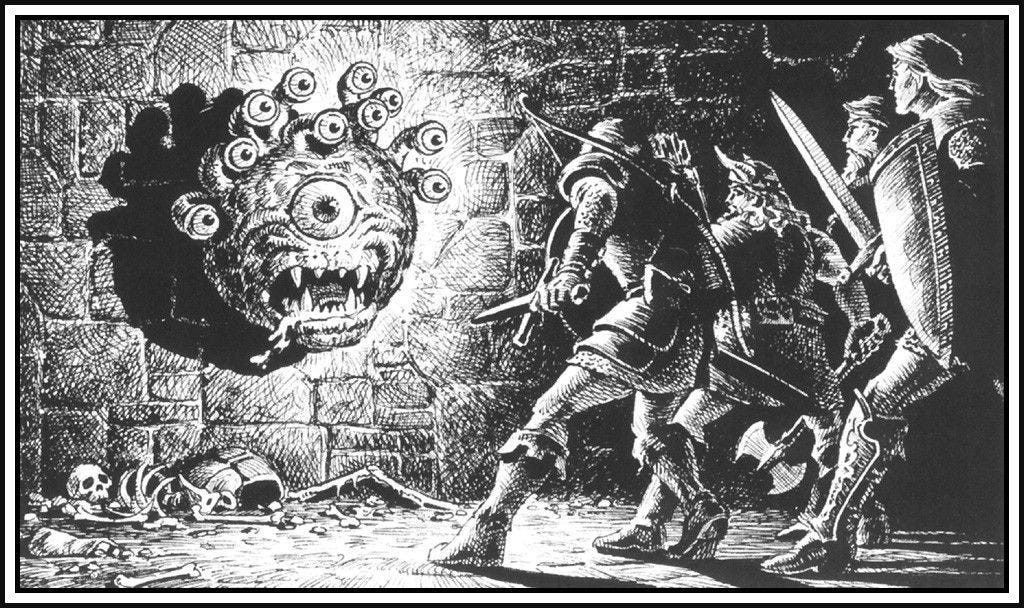
The culture inside Raid Guild runs warmer than the mercenary aesthetic suggests. We care so little about the specificity of your human identity that we don’t require real names, don’t impose KYC verification, allow members to present themselves however they’re comfortable - funny handles, fantastical profile pictures, complete anonymity if they prefer. This practice is common across the Web3 ecosystem; we didn’t invent it. What matters is the merit of what you bring, the value you offer within group dynamics. Traditional identity categories become relatively arbitrary. We care what you can do and whether you’re aligned with the mission.
But Raid Guild embodies punk for reasons beyond anonymity. We refuse to clean ourselves up for mainstream adoption. We embrace weirdness as a feature. We practice what Chantal Mouffe calls agonism - adversarial engagement that maintains productive conflict within shared frameworks, disagreement that doesn’t seek to eliminate opponents but to sharpen collective thinking. We create community through shared practice rather than through surveillance or economic incentive alone.
The loudest person in the room gets told to shut the fuck up so softer voices can share their perspective. We actively orient toward amplifying lesser voices, leveling playing fields, discouraging extraction and grinding. The warmth underneath the armor is real.
The Cohort
To join Raid Guild, you pass through a cohort, a group learning experience that’s part apprenticeship, part hackathon, part proving ground. Periodically, the entire community turns its attention toward newcomers, lavishing energy on anyone interested in joining our ranks.
The cohort structure works like this: apprentices self-organize into teams, self-elect their roles, self-select which Web3 problems they want to tackle. Over several weeks, they build things together - actual products, actual tools, actual solutions to real coordination challenges. They present to each other and to guild elders. Those who demonstrate the skills and the vision to extend value get invited to become full members.
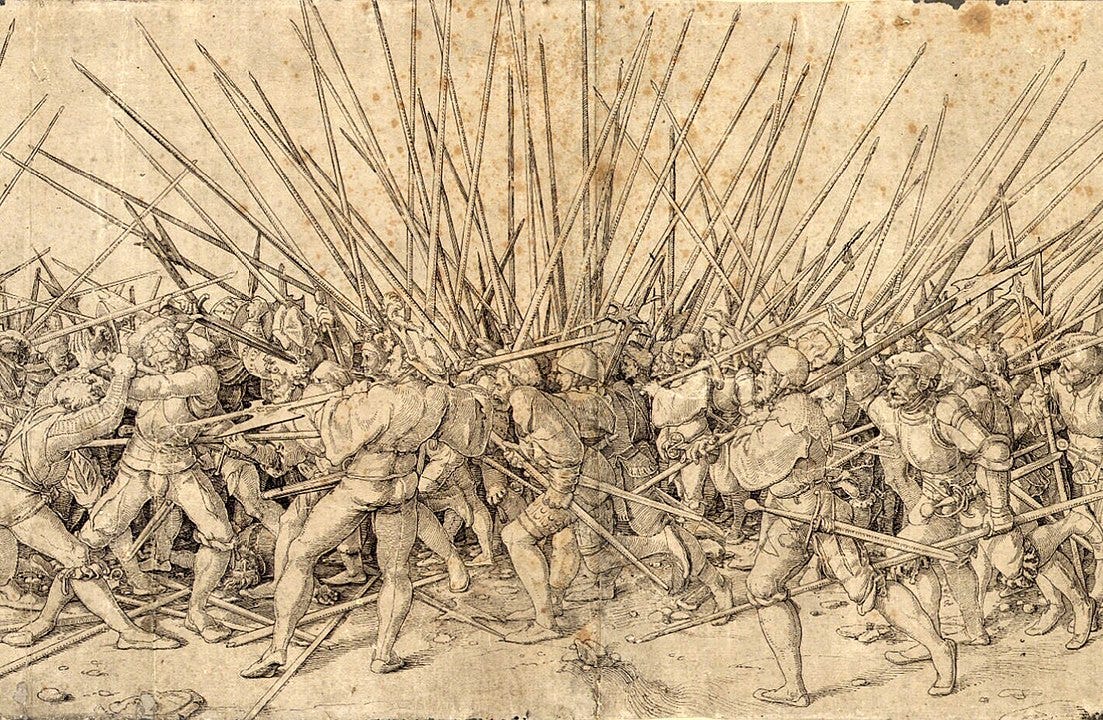
This is how guilds have always worked. Apprenticeship models where you prove yourself through practice, where the community invests in developing your capacity, where membership is earned through demonstrated competence rather than purchased through credentials. We’ve updated the medieval guild structure for decentralized digital coordination, hybridizing it with hackathon dynamics where the building happens fast and the learning happens through doing.
We’ve come to recognize that the cohort itself is an incredible service we offer the Ethereum ecosystem. Raid Guild extends our gory tendrils throughout the ecosystem through its members, who carry the culture and practice outward after passing through this cohort sphincter. Some of the most talented people building in Web3 today encountered Raid Guild early, used it as a crucible, and now build truly visionary tech. Fuck walled gardens; we’re a greenhouse that produces builders who then seed gardens across the entire landscape.
Recently we’ve been contemplating cohort-as-a-service, recognizing that the structure we’ve developed could help other communities onboard members, develop talent, create belonging through shared practice.
The Aesthetic Vision
My comrade E2T - a fellow Raid Guild member - once described Raid Guild as a punk band. He was right, and I want to push it further. We’re a mf-ing metal band.
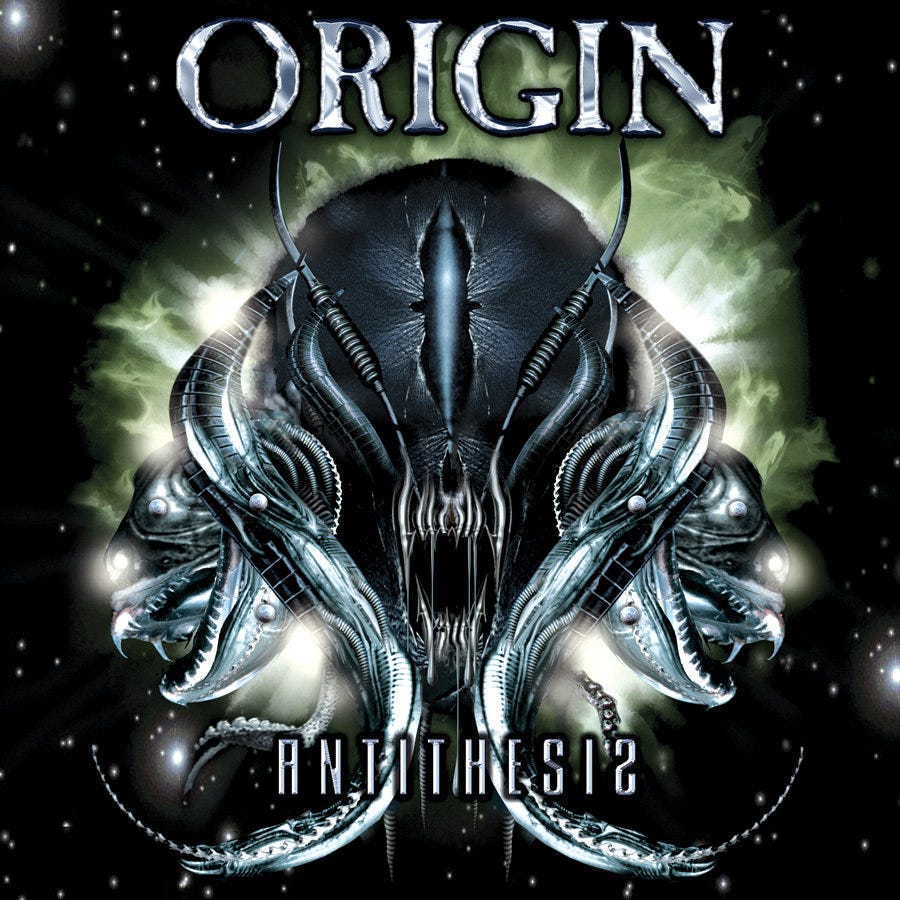
Origin, the technical death metal band from Kansas, released their album Antithesis in 2008, and it sounds like Raid Guild at the code level. John Longstreth’s drumming defies human comprehension, spazzing at speeds that seem to violate physical law, blast beats so precise they achieve a kind of mathematical sublimity. The synchronization between band members operates like clerical clockwork pushed past its tolerances into something transcendent. Fractaline pattern recognition at surgical speed. This is the psychology of Raid Guild development: elegant, brutal, technically immaculate, producing a grinding wall of sound that achieves the sublime through sheer mechanical excellence.
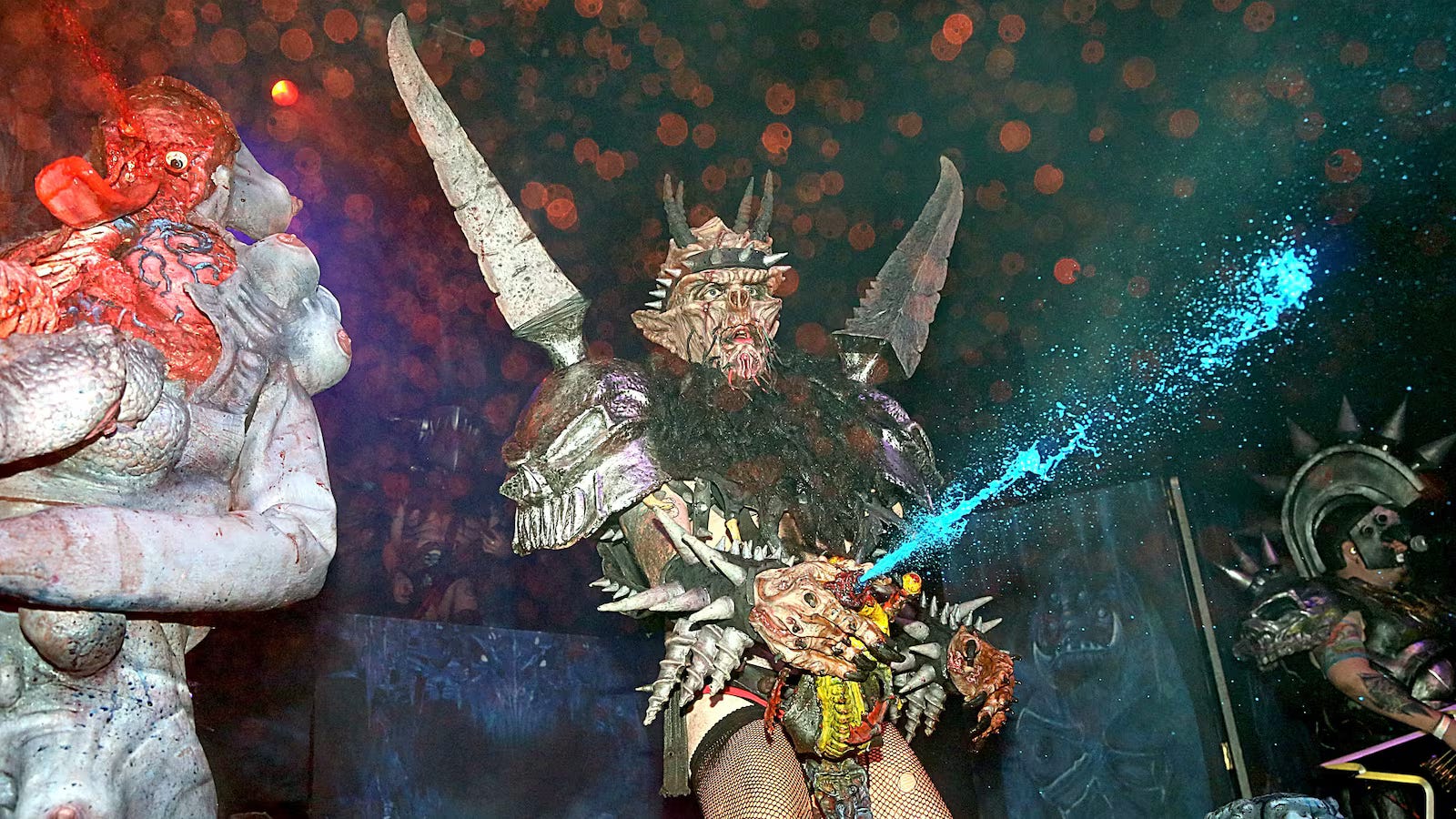
GWAR emerged from Richmond, Virginia in the mid-1980s and became the most perfect aesthetic representation of what Raid Guild should present to the world. They perform in elaborate monster costumes - Oderus Urungus with his cuttlefish of Cthulhu codpiece, Beefcake the Mighty with his weaponized nipples - spraying blood, methyl cellulose pseudo semen, and other fluids on their audiences until the front rows are drenched in viscera. They decapitate effigies of politicians on stage, severed heads of presidents spurting arterial spray into the crowd, disemboweled celebrities showering the audience with latex intestines. The costumes are grotesque, obscene, hilarious, fucking brilliant. The whole thing is performance art with a sense of humor and profound self-awareness, descending from a lineage of political carnival that includes the oversized puppets paraded through streets by anarchist movements, the effigies burned at festivals like Santa Fe’s Zozobra, the spectacular destruction of symbols representing oppressive power.
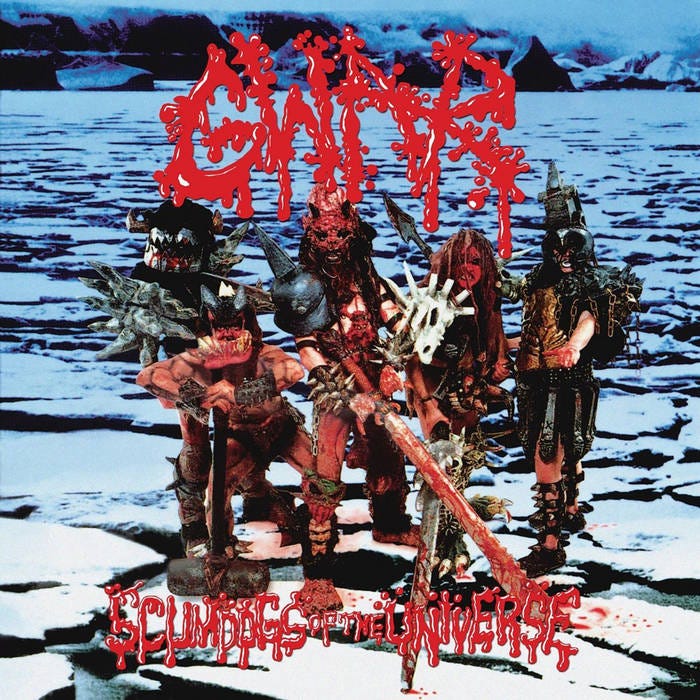
I genuinely believe Raid Guild members should show up to conferences in cum-chortling, blood-blasting, snot-squirting costumes. I think it would be incredible. I think everyone would love it. I think it would communicate more about who we are than any sterilized slide deck or hygenic whitepaper ever could.
Man Is The Bastard, the band I mentioned earlier, the ones who set Ginsberg’s Moloch invocation to power violence bliss, represents something essential about what we should become. They made room for industrial noise, field recordings, power electronics. Henry Barnes built instruments from scratch. Their production was deliberately thin, raw, lo-fi, an aesthetic choice that signaled refusal to clean up for wider appeal. They were uncompromising in their political activism, incorruptible in their artistic vision, and they would be disgusted by the way the Web3 industry wields the word “punk.”
Which brings me to solar punk and lunar punk. Fuck them both.
Solar punk - the regenerative, optimistic, green-washed aesthetic that imagines solarpanel-covered permaculture utopias - has been utterly captured by venture capital. It lets corporations feel good about extraction while continuing business as usual. It’s co-opted subculture signaling, punk as marketing asset. Lunar punk - which gets points for being darker, more privacy-focused, aligned with data sovereignty and anonymity - is closer but often tips into abhorrent libertarian individualism without reflective awareness, and it still lacks the theatrical, confrontational dimension that makes punk punk.
Punk means DIY ethos - you make it yourself, you don’t wait for permission (and usually don’t ask forgiveness either). Punk means confrontational aesthetics. You’re supposed to make people uncomfortable. Punk means values-driven agonism, in Mouffe’s sense, adversarial engagement that sharpens rather than destroys, conflict in service of something worth fighting for. Punk means community formed through being unapologetic about what you stand for, letting those who can’t handle it self-select out. Punk means refusing to polish your roughness into palatability, keeping the raw edges as signal of integrity.
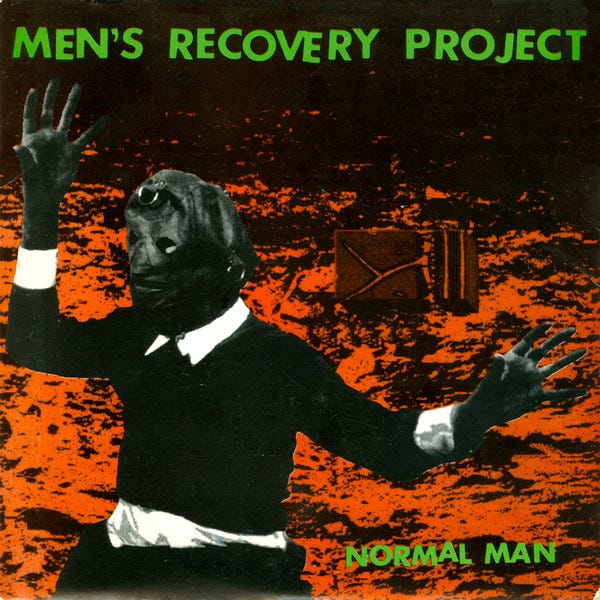
Men’s Recovery Project - the experimental noise rock band formed by Sam McPheeters and Neil Burke, after the demise of the legendary Born Against - spent nearly a decade defying audience expectations, denying punk rock convention, doing exactly what they wanted regardless of commercial viability. Their absurdist attitude produced material consistently obtuse, relentlessly experimental, building demented sci-fi lore from the psychosis of 1980s cinema. Raid Guild wishes it could be this subgenius and innovative. Most incredible lore and branding of any punk band, with the possible exception of Crass (Shaved Women is the unofficial theme song for Moloch DAOs, I now proclaim).
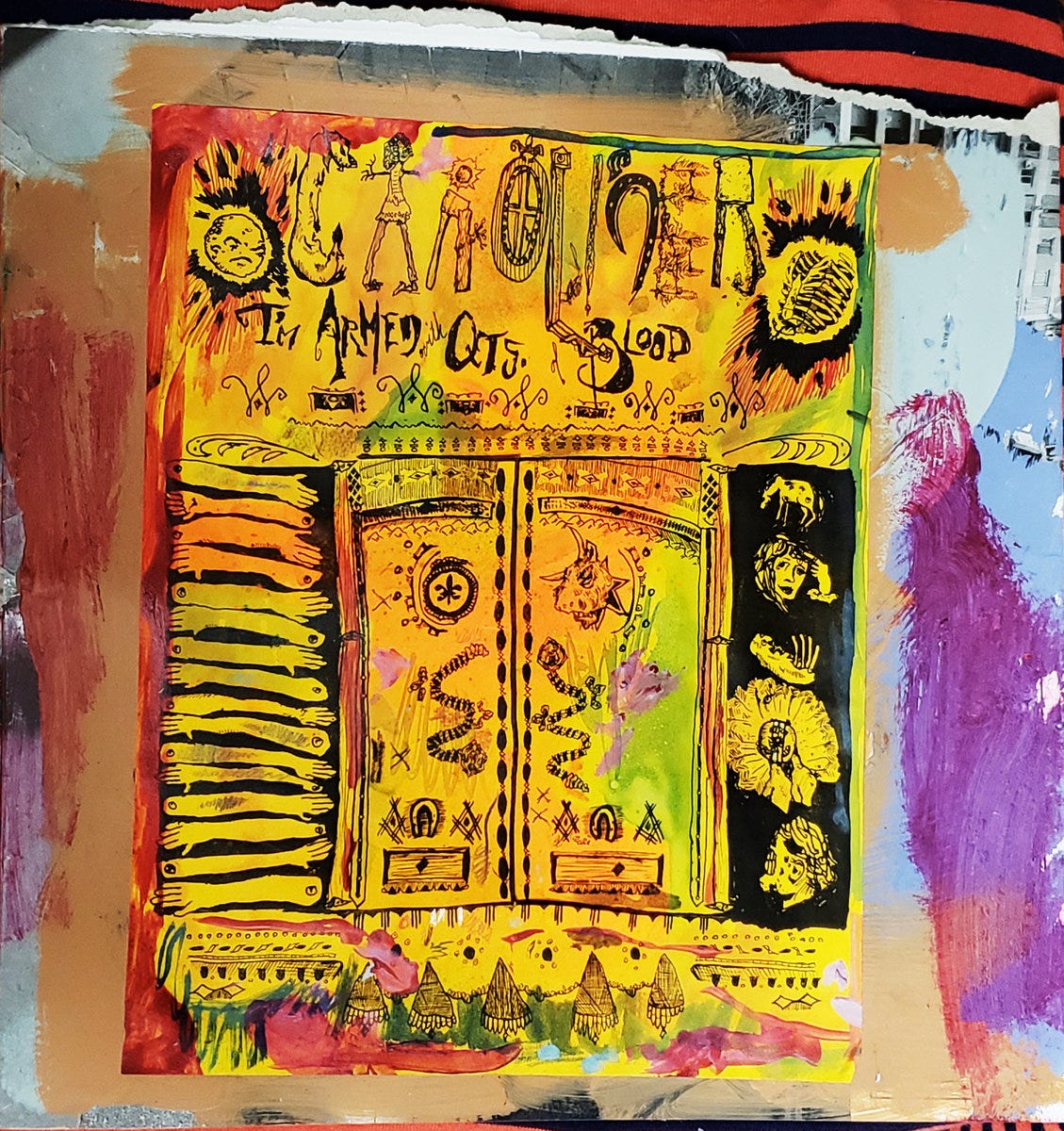
Caroliner Rainbow - the San Francisco experimental band - took this further still. They describe themselves as “a black light augmented, go-to-the-grave-alive-and-pump-lightning band” dedicated to portraying “the cabin fever and ergot poisoned hallucinations of early America.” Their music flows from a singing disemboweled bull’s head from the 1800s. They perform in ghastly Day-Glo costumes covering their entire bodies, obliterating identity while creating what one critic called “the sound of atrophy, the noise of salvation and damnation’s collision in a parallel dimension to purgatory.” Their album covers are assembled by hand: drawings and calligraphy screen-printed onto fabric, diaper disposal bags, old record sleeves spray-painted beyond recognition, pizza boxes. No two copies of the same record are identical. Fuck yes.
This is what I want Raid Guild to become. The profound creativity, the breaking of norms, the hyper self-awareness that allows you to be deeply weird while knowing exactly what you’re doing. When we show up in public, I want us to look like we emerged from the sewers of another dimension. I want people uncertain whether we’re serious, and for us to be equally uncertain, maybe more so. I want the aesthetic to do work that words cannot, to signal, viscerally and immediately, that we’re operating on different terms than the business-casual Patagonia pricks networking over complimentary craft cocktails. We’re here to melt faces.
Against Hierarchy
One more thing about punk, since we’ve come this far.
Punk is political. Punk has always been about fighting dominant power structures - patriarchy, white supremacy, dehumanizing corporations, top-down imposed rule of rigid hierarchy. When I say Raid Guild should embrace punk/metal, I mean this dimension too.
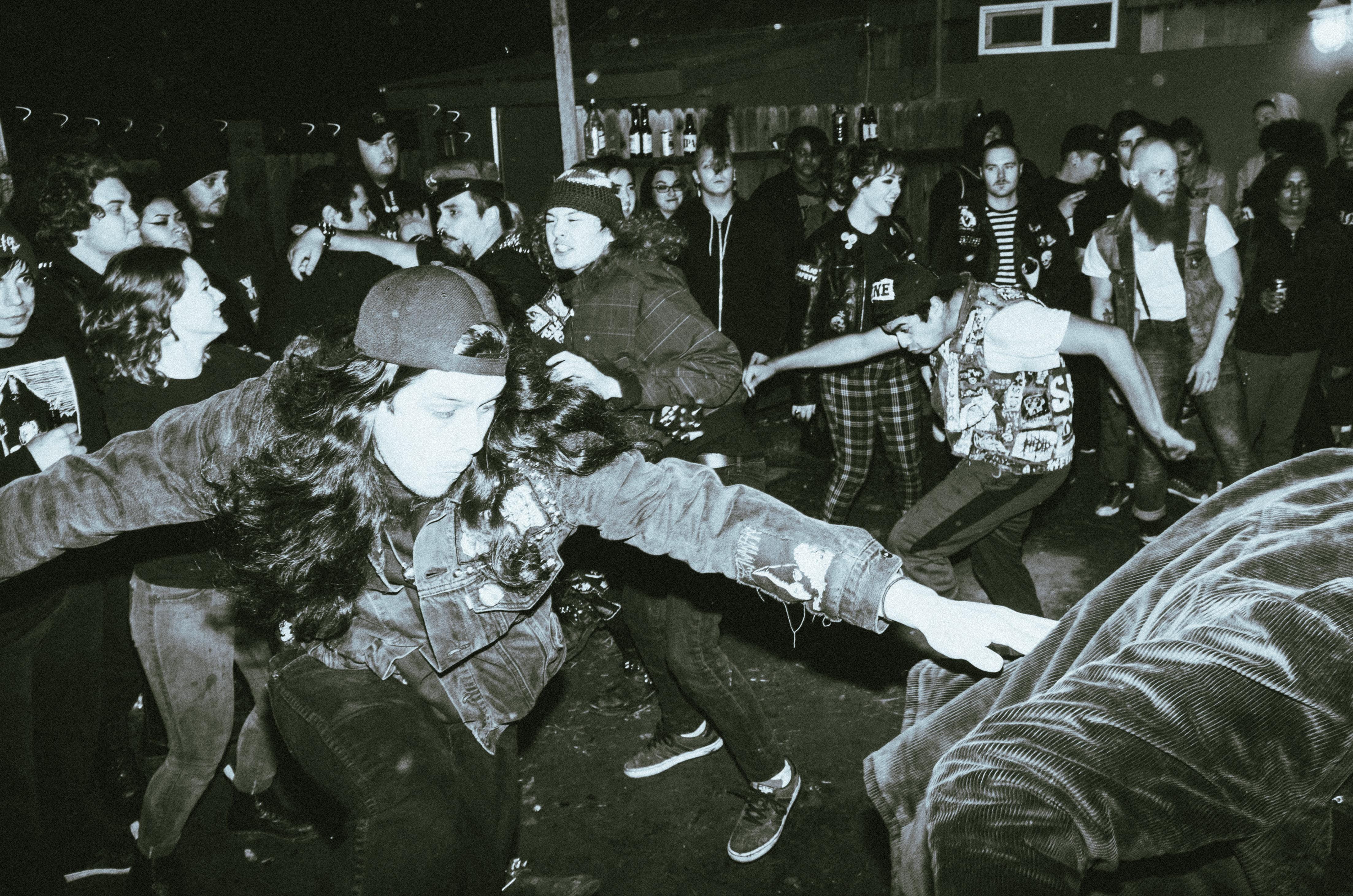
The dominant tech industry remains oriented around patterns of white male status quo - who gets funded, whose ideas get taken seriously, whose voices fill conference stages and podcast microphones. Raid Guild should create conditions where these defaults can be disrupted. We must amplify contributions, skills, alignment, the quality of what gets built.
This creates space for a culture that looks more like horizontal conviviality than vertical domination. It looks like the anarchist organizing principle of mutual aid. It looks like grassroots political organization, anti-institutional guerrilla tactics, the matriarchal knitting circle where power circulates rather than accumulating at the top. We should strive to be porous, reciprocal, flooding with heterogeneity - different perspectives, different skills, different ways of approaching problems - because multiplicity increases collective intelligence and because monocultures are fragile.
This is the opposite of biznass as usual. This is why the punk attitude matters. The confrontation is directed at every force trying to impose rigid hierarchy on fluid collaboration, trying to capture commons for private extraction, trying to make us behave like good corporate citizens optimizing for quarterly returns.
The Future
We’ve been telling ourselves for years that Raid Guild represents the future of work - an experiment in alternative labor culture, in dog-fooding our own tools, in emancipating ourselves from the alienation of industrialized employment. This remains true. We’ve also been telling ourselves there’s more value here than the development shop narrative can contain. This is also true.
What I want to see Raid Guild become is weirder. Even if that means less comprehensible. I celebrate incomprehensibility. I advocate for it. Let the normies be confused. Let the venture capitalists struggle to categorize us. Let the conference organizers not know which panel to put us on, or if they should even let us through the door.
We are tragically poor at self-documentation. I want us to become cultural cartographers, ethnographers of our own emergence. This means building the infrastructure for our own institutional memory, inspired by underground VHS culture, DIY cassette tape culture, subversive zine culture. Ephemera of peer-to-peer sousveillance.
Sousveillance - a term coined by Steve Mann, meaning watching from below rather than from above - is the opposite of surveillance. Surveillance is the state watching citizens, the platform watching users, power monitoring the powerless. Sousveillance is citizens documenting the state, users tracking the platform, the powerless turning cameras back on power. Raid Guild should be a sousveillant organism, documenting ourselves and the ecosystem we operate within, producing the counter-narrative to whatever official story tries to crystallize around Web3.
We need manifestos. We’ve always written manifestos, but I want more. And way weirder. I want incubators for gray papers, black papers, day-glo gore papers written in fake blood - documents that refuse the whitepaper format of sanitized technical specification, that speak in the register of punk zines and art theory and the ephemera of movements that changed everything by refusing to explain themselves on dominant culture’s terms.
We need guerrilla documentarians. People with cameras and recorders capturing what we’re doing, building the archive that future historians will use to understand how a bunch of weirdos tried to build coordination infrastructure while the world burned around them.

We will continue brewing our own beer, making our own comic books, playing our own experimental mental D&D campaigns where we LARP in virtual masks and have a shit ton of fun making worlds for each other. We will continue building bleeding-edge AI experiments, exploring synergies between machine learning and cryptographic coordination, designing systems that would have seemed like science fiction a decade ago.
We will continue accepting client work - yes, we’re still a dev shop, still one of the oldest and best established Web3 development collectives in the world - but the development shop is the vehicle, not the destination.
Anti-Disclaimer
This article represent one weirdo’s perspective. I can’t speak for Raid Guild, and I’m not trying to. I’m one archer/ranger among a mostly-anonymous horde of mercenaries, describing what I’ve witnessed and what I hope we become, fully aware that other members might read this and disagree violently. I want that. I want the disagreement. Bring it to me. Let’s argue agonize together about what Raid Guild is and could be. That’s how we stay with the trouble, how we conduct a conference of inclusivity, how we avoid the ossification that kills every interesting organization eventually.
If you’re reading this and you’re not a Raid Guild member, and any of this triggered something in you - recognition, resonance, fury, curiosity - contact me. I’ll figure out how to plug you in.
If you’re a Raid Guild member reading this, and you think I’ve gotten it right, or gotten it interestingly wrong, or gone too far, or not far enough - I want to hear from you. This is a conversation I’m trying to start, not a manifesto I’m trying to impose.
If you’re anyone reading this under any circumstances who disagrees with everything I’ve said - I’m here for it. I want to make space for those disagreements. The alternative is the consensus-seeking behavior that Moloch loves, the smoothing of differences that produces palatable mush, the death of everything vital.
Throw Molotov cocktails at Moloch. Build tools that make defection irrational. Form raid parties with people whose skills complement your own.
Unapologetically shred.

I’ve been a Raid Guild member since circa 2020. I operate as a senior strategist, designer and UX researcher. These opinions are my own. They represent one perspective from inside an organism that contains multitudes.
If you want to learn more about Raid Guild, visit raidguild.org. If you want to agonize with me specifically, find me on X or reach out through the guild.
E2T, this one’s for you.