

The interfaces we build encode philosophies. Every button carries assumptions about what a user is. Every modal window performs a theory of attention. The grid systems and component libraries and design tokens that scaffold our screens are rhetoric about reality, smuggled in under the banner of best practices.
Look at the dominant aesthetic of contemporary interface design: the Bauhaus inheritance filtered through decades of compromise, arriving finally as a kind of sterile minimalism that mistakes blankness for clarity. Primary forms, primary colors, everything in its place. The illusion that the world is orderly and controllable, that experience can be parsed into discrete units and arranged on a grid. Standard components replicated across a million products until the very concept of interface becomes synonymous with a particular configuration of rectangles. Clean. Hygienic. Dead.
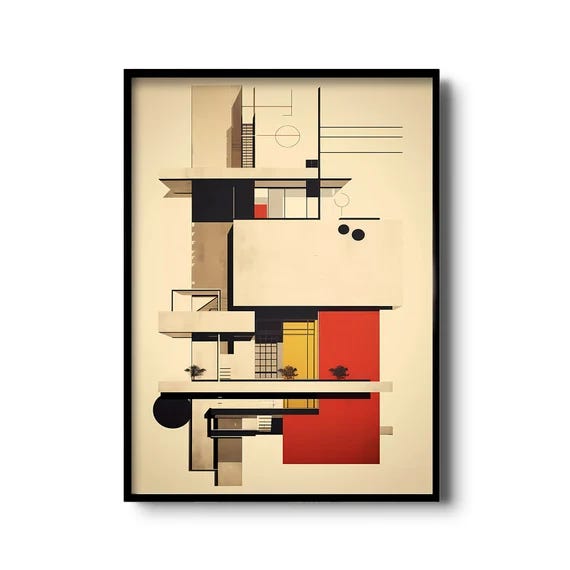
The grid encodes a specific metaphysics, one that trains users to expect a world stripped of enchantment, a world where surfaces are opaque and interaction is transactional, where the interface exists to be looked at rather than through. The smooth glossy plane that reads as modern but functions as a wall, blocking access to the very systems it purports to reveal.
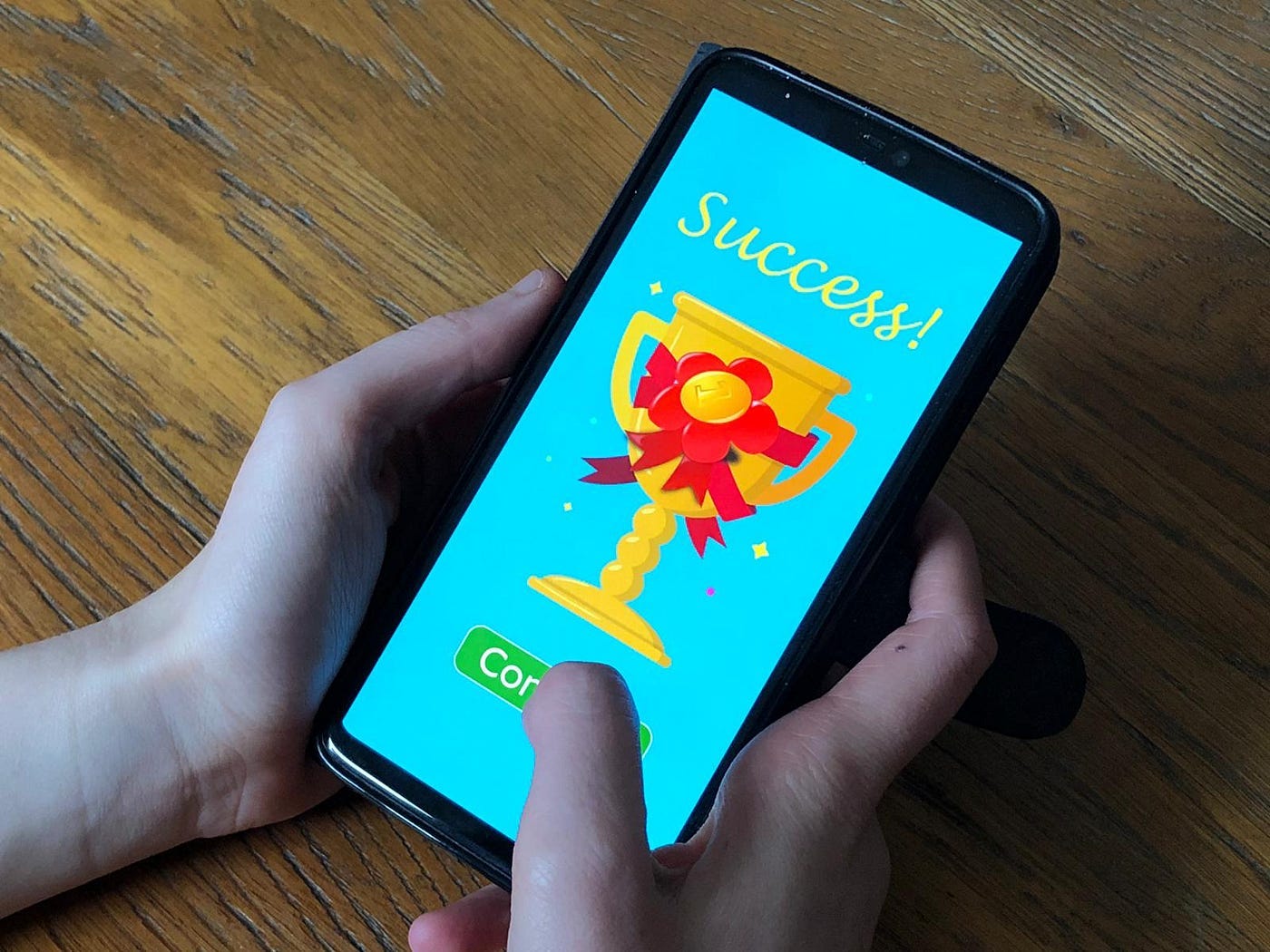
And then there is gamification, the other dominant paradigm, the one that treats human attention as a resource to be mined. Points accumulating. Progress bars filling. Badges unlocking. The dopamine architecture of the casino transplanted into every domain of digital life, training users to perform engagement rather than experience it. Predation wearing the mask of delight.
Between the sterile grid and the addictive hook, we have constructed an interface culture that oscillates between alienation and exploitation. The user is either processed through banal bureaucratic surfaces or harvested through gratuitous gamified ones. Neither mode trusts them. Neither mode meets them as a consciousness capable of supreme wonder.
I am proposing something different. I am proposing a turn towards the magical.
The Scrim
In theatrical practice, a scrim is a piece of fabric with peculiar optical properties. When lit from the front, it appears solid - a painted surface, a wall, a boundary. When lit from behind, it becomes translucent, revealing what lies beyond. The same physical object performs radically different functions depending on conditions. What seemed like a barrier becomes a threshold.
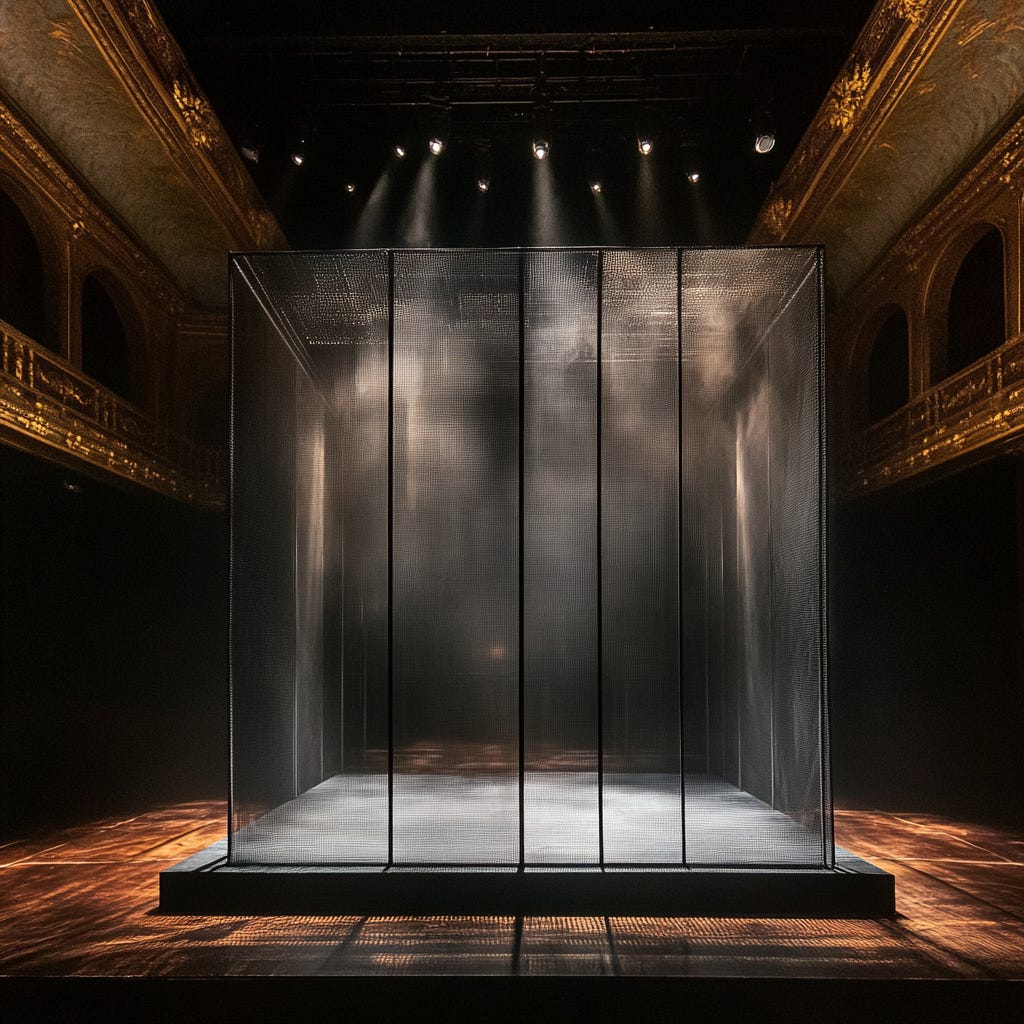
The magical interface operates as a scrim.
Under ordinary conditions - glancing attention, habitual interaction, the quick scroll and click that characterizes most digital engagement - the interface appears as surface. Functional. Firm. Adequate to the task. Under different conditions - slower attention, deeper engagement, a particular quality of presence - the surface becomes translucent. The user perceives what lies beyond, the flow of information, the presence of other minds, the structure of the system itself made visible through experience.
The design implications are concrete. The interface should create conditions for wonder. It should reward attention with revelation. It should invite the user into participation with something larger than the immediate transaction dashboard.
To understand how this works, we need to understand three forms of magic as interwoven dimensions of a single phenomenon.
Enchantment
The first form is enchantment, the experience of wonder that arises when the world feels alive.
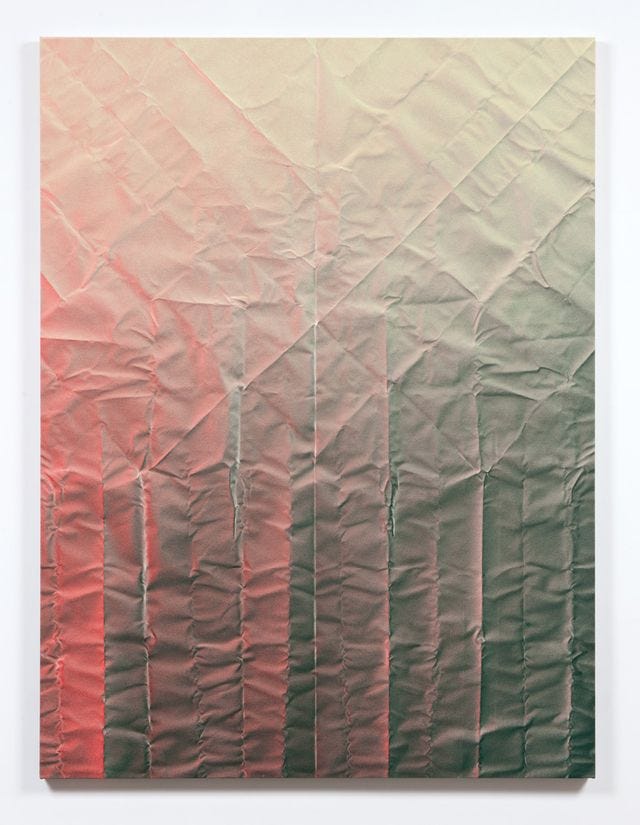
Enchantment has a philosophical basis in animism, the sense that seemingly inanimate objects participate in a field of energy and exchange. The rock accumulates geological time in its striations. The river shapes the landscape through continuous becoming. Animism perceives relationship where other modes of attention see only object, the world as field of exchange rather than collection of things.
The enchanted interface produces this quality of perception. It does so through atmosphere, through spaciousness, through subtle movement that suggests life rather than mechanism. Something slower. More breathing. An environment that rewards close looking. A surface that reveals more the longer you attend to it.
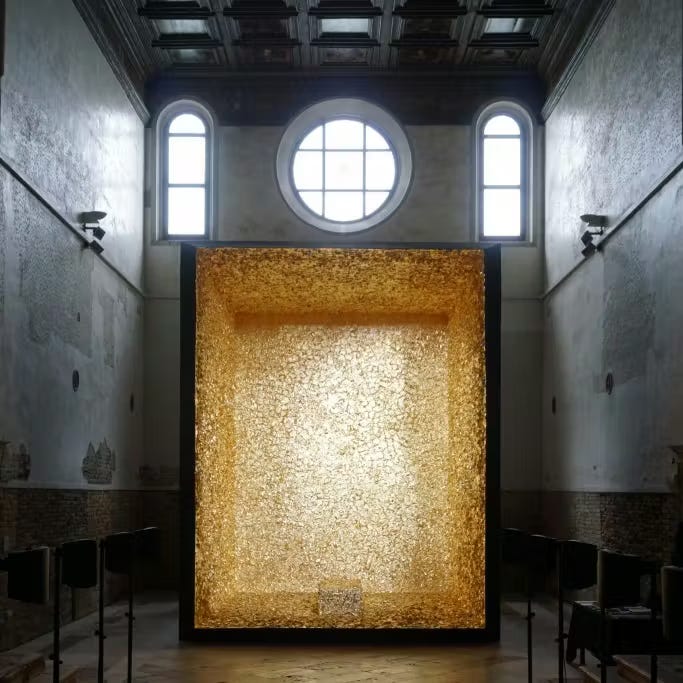
This requires a particular relationship to time. The enchanted interface does not optimize for speed. It does not treat efficiency as the supreme value. It creates conditions for slowness, for concentration, for the meditative quality of attention that produces the feeling of engaging with something that matters. The interface as contemplative space.
The sublime operates here, the aesthetic category of vastness that produces both terror and wonder. Even on a small screen, the magical interface evokes implied depth, extension beyond the visible edge, the sense of occupying a space rather than viewing a surface. This is how enchantment works in a bounded medium, through suggestion, through the horizon that exists even when it is not shown, through the felt sense of more beyond what is currently perceived.

When the user enters an enchanted interface, their temperament shifts. They slow down. Their attention deepens. They begin to behave differently because their mode of engagement has changed. The interface creates conditions; the user chooses to enter them. An invitation extends.
Sleight of Hand
The second form of magic is sleight of hand, the magic of illusion performed through dexterity.
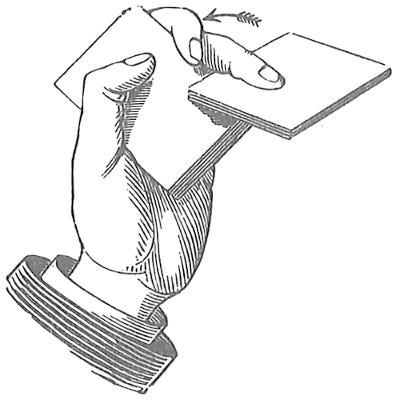
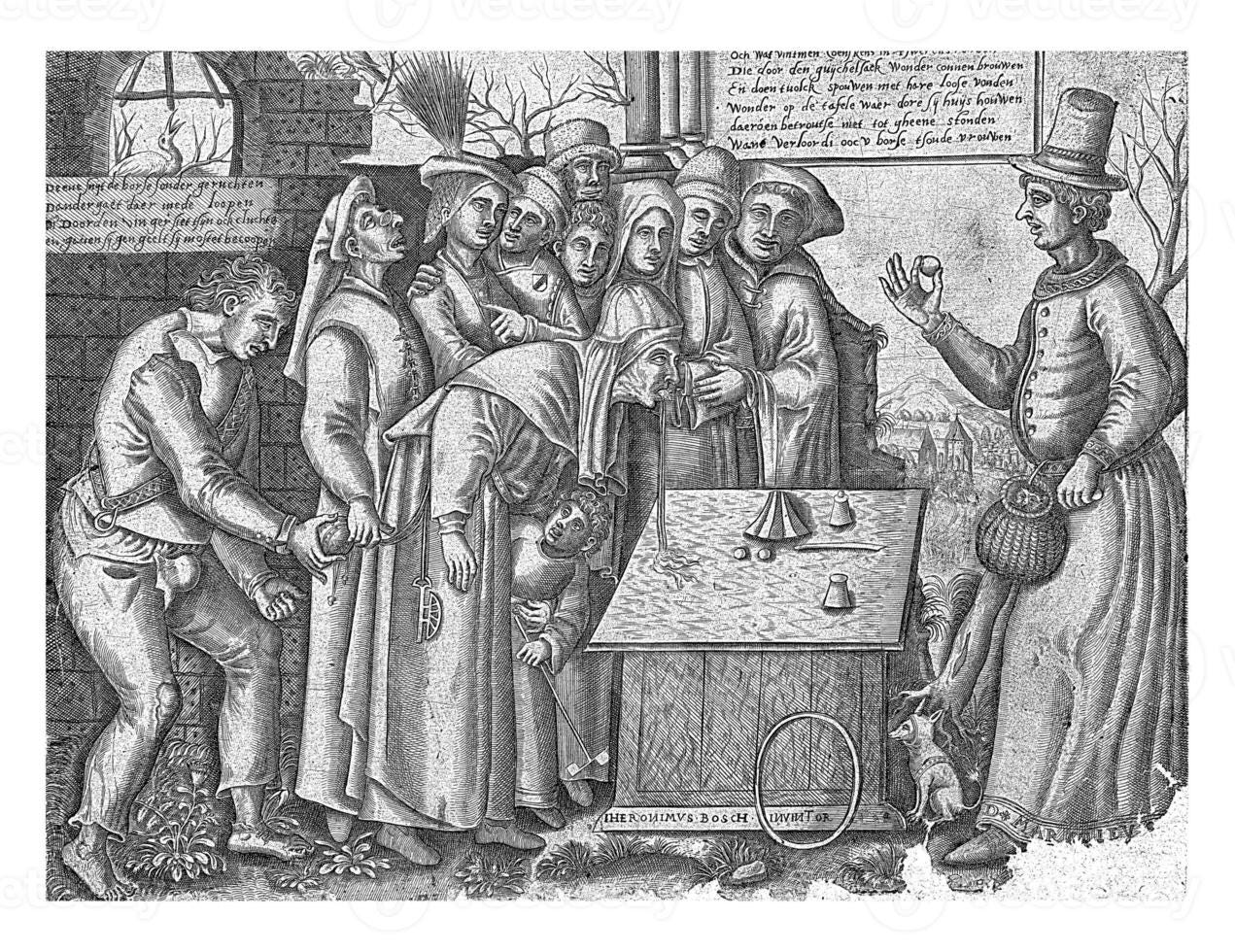
Consider the structure of a card trick. The magician captures the audience’s attention with one hand - a flourish, a gesture, a target for curiosity - while the other hand performs the actual operation. The audience scrutinizes the visible action, looking for the flaw in the illusion. When the effect occurs and they cannot identify how it was done, they experience delight. The misdirection serves the revelation.
This scales from intimate close-up magic to elaborate stage productions. At larger scales, the magician’s dexterity becomes encoded in mechanism - the pulleys and platforms and trap doors and lighting rigs that enable spectacular effects. The hand becomes infrastructure. The trick becomes architecture.
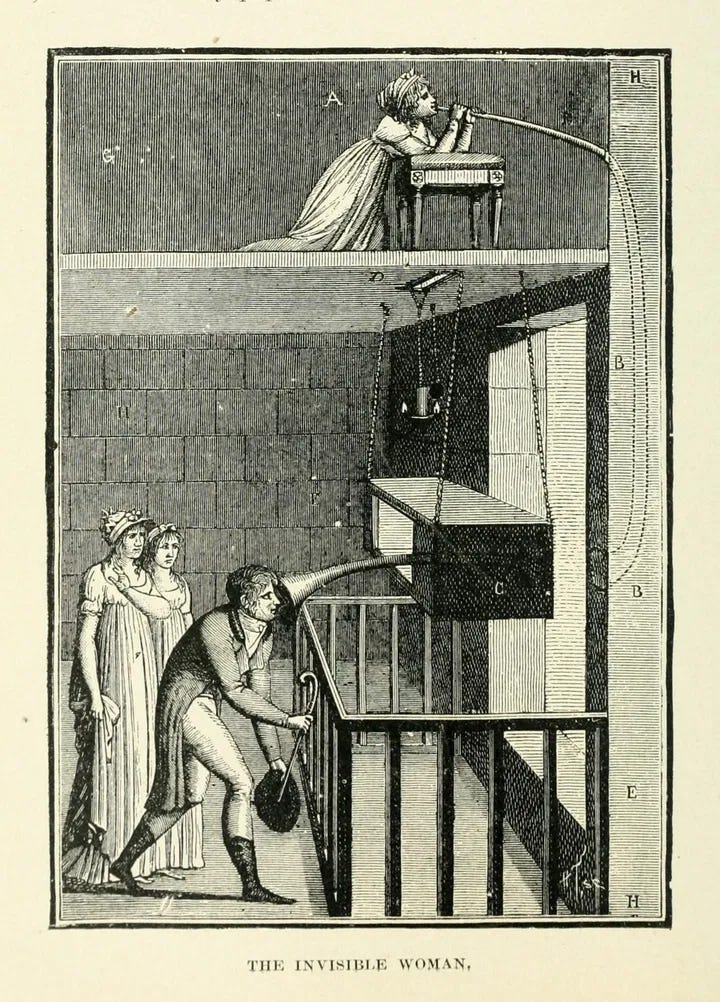
The interface translation is direct. The stage is the screen, the performance is the interaction, the mechanism is the tech stack operating beneath visibility. AI agents, automated workflows, complex computations - these are the trap doors and rigging of the digital stage. The user’s attention rests on something worthy of witnessing while sophisticated operations proceed in the background. And then the elephant appears from nowhere, the problem solved, the insight delivered, the seemingly impossible made actual.
Here we encounter the crucial distinction between altruistic and nefarious misdirection.
The nefarious version of sleight of hand is thievery. The pickpocket who entrains your attention in order to access your wallet. In software, this manifests as dark patterns, interfaces that capture attention while scraping data, creating addiction, erecting paywalls, extracting value for the platform while providing only the appearance of value to the user. The misdirection serves the magician at the expense of the audience.
The magical interface I’m describing captures attention in order to perform complex operations whose success benefits the user. The value extracted flows back to them, amplified. The delight is genuine because the underlying transaction is honest. The user witnesses something worth witnessing, and when the effect resolves, they have received more than they brought.
This requires a different conception of the interval between input and output, between request and fulfillment. The magical interface transforms this interval into suspension, a levitation of awareness that is itself pleasurable. Presence in the sense of attention held by something worth holding. The loading state as performance rather than vacancy.
The interface needs a target for attention during this suspension, something that makes the user feel they are engaging with a process rather than merely waiting for a result. Feedback that conveys something is happening without explaining the mechanical details. Mood shifts. Atmospheric changes. The qualitative sense of transformation.
Qualia. A felt sense of movement. The texture of transformation unfolding.
Intention Projection
The third form is intention projection, the casting of will upon another from a distance.
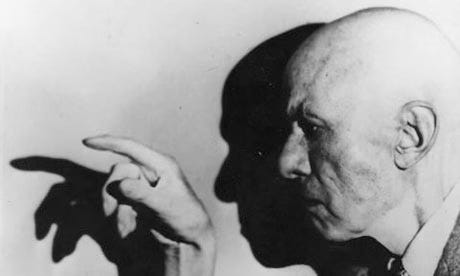
This is Aleister Crowley’s conception of magic. Not stage illusion, but the practice of influencing reality through disciplined attention and ritual action. Crowley famously demonstrated this by following someone on the street, matching their movements, subtly guiding their path without their conscious awareness. Magic as entrainment. Magic as the synchronization of intention across the gap between minds.
The magical interface participates in this form through its capacity to anticipate. The system synchronizes with the user’s intentions, perceiving patterns before they fully articulate, guiding attention toward fruition. This is influence. This is the interface shaping awareness, surfacing relevance, nudging toward cognition of what the software reveals.
And here again we encounter an essential distinction: what separates entrainment from manipulation?
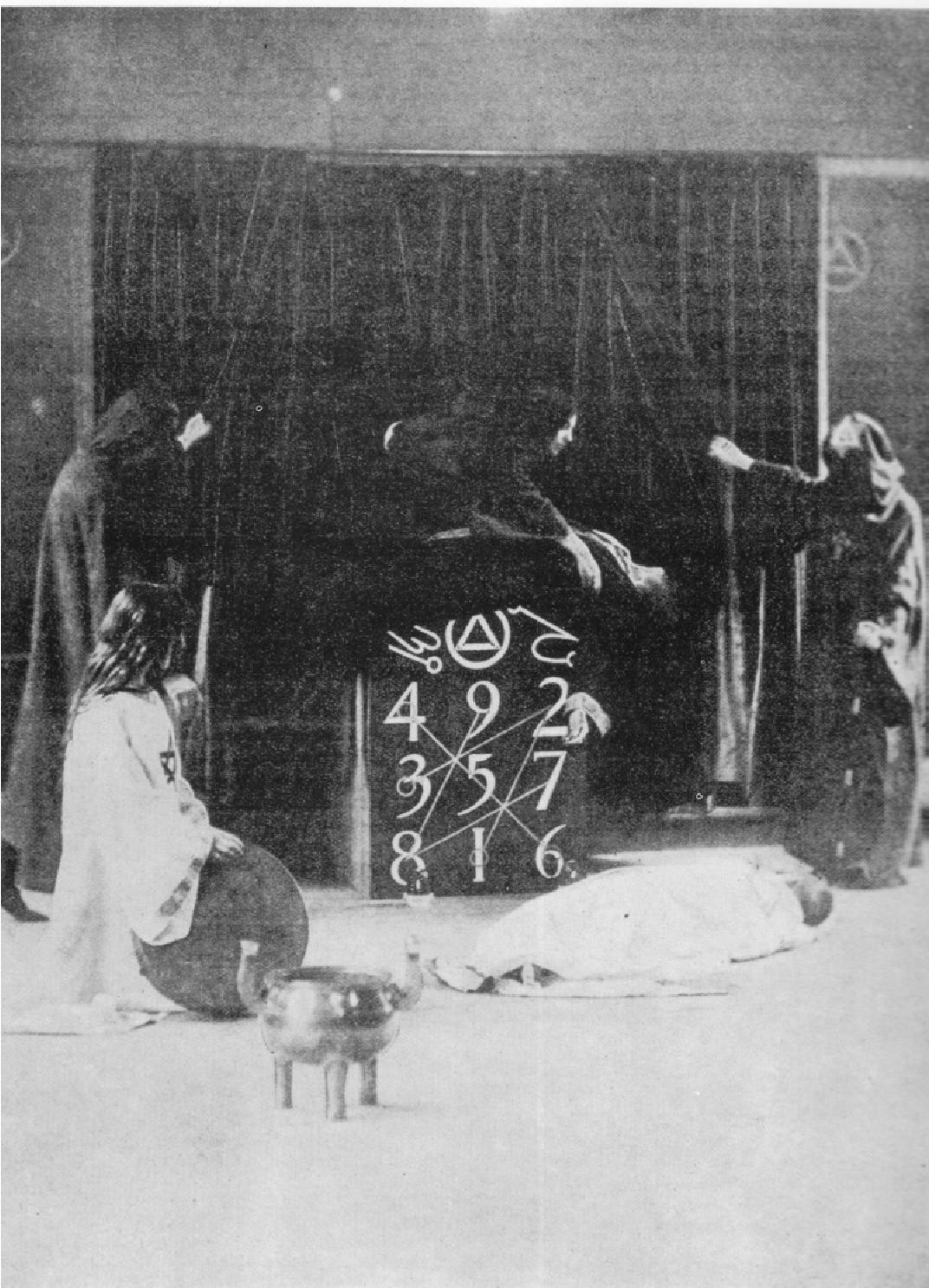
Users can sense when they are being manipulated. The system serving its own interests while pretending to serve theirs. Guidance feels different. The system moving with you, anticipating your needs in order to meet them, synchronizing with your intention in order to amplify it.
This distinction is qualitative. It cannot be cleanly reduced to a metric or specified in a standard design document. It operates as a ritual rather than a rule. Every design decision about anticipation and influence must be evaluated against this felt sense: does this serve the user’s own purposes, or does it serve the platform at the user’s expense?
The magical interface synchronizes with intention in order to amplify it. The user feels supported in achieving their own goals. Value flows back. Over time, users learn to become aware of their own intention-projection, to cultivate consciousness of how they direct attention and will, to become magicians themselves rather than merely audiences. Interacting with the interface is a form of initiation.
Three Dimensions of Practice
These three forms of magic correspond to three scales of participation.
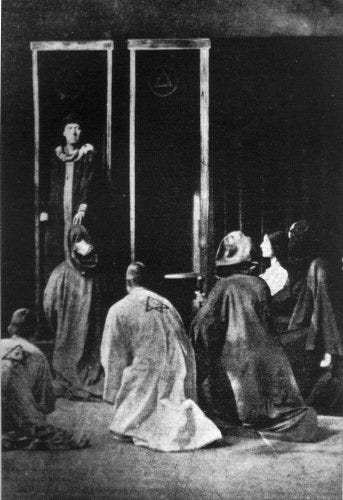
The individual dimension is yogic. Personal discipline. The cultivation of one’s own attention, one’s own practice, one’s own relationship with the interface. The user as apprentice learning the gestures that unlock deeper engagement.
The dyadic dimension is libidinal. Intimate exchange between two. A peer, a collaborator, a partner in some shared endeavor. Energy flowing both directions. The unlock that neither could achieve alone becoming available through reciprocal engagement. The portal opening in the scrim, another consciousness visible on the other side.
The collective dimension is ritual. Multiple participants contributing to patterns larger than any individual can perceive. Each bringing their own discipline. Each playing their part. No one needing to understand everyone else’s role, only their own contribution, and the trust that it matters. The spell that exceeds individual capacity, cast through coordination rather than individual will.
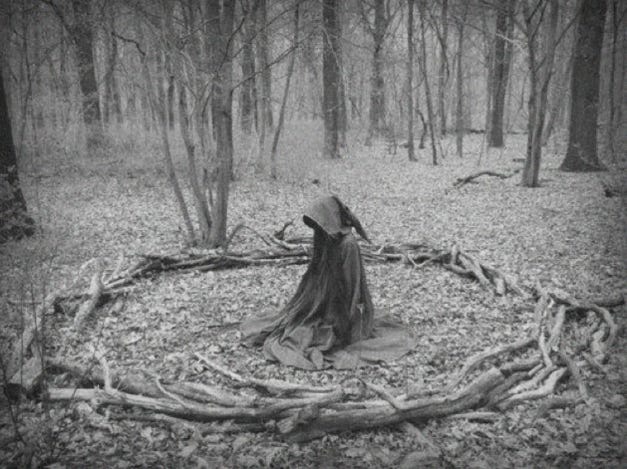
The magical interface evolves through these dimensions. It begins as mirror, reflecting the user back to themselves, showing what they brought, revealing aspects of their own pattern they couldn’t see before. The mirror opens into portal, where suddenly another world is visible, another perspective accessible, information flowing both directions through the now-translucent scrim. The portal opens into universe, participation in something vast, the sense of one’s actions mattering to a larger pattern, the ritual dimension of engagement with systems that exceed comprehension while rewarding trust.
One evolutionary logic. The same elements become richer and more detailed as the user develops capacity. Entirely new elements appear when needed. What was always present becomes perceptible through the cultivation of attention adequate to perceive it.
The Apprentice Path
The user does not begin with full access.
Initial experience: stark, quite empty. Filled only with what the user brings. The minimally viable substrate for showing up, interacting, receiving feedback. Nothing to overwhelm. Nothing to seduce.
Intermediate stages: many mistakes and failures, encouraged rather than punished. Learning the thresholds of the system and of oneself. Building confidence in both. Gradual revelation of richer detail and new elements as capacity develops to engage with them.
Expert experience: access to more information because the user has capacity to process it. Complex operations. Collaboration. Network-scale participation. And still - always - the ability to return to states of enchantment and wonder. Expertise enables a more sophisticated version of mind.
The principle throughout: reveal only what the user needs, nothing more. Maintain elegance and parsimony. The system assesses preparedness and modulates what is shown accordingly. The user encounters the interface they are ready for, which grows as they grow.
What the Magical Interface Refuses
The magical interface defines itself partly through refusal.

It refuses the Bauhaus inheritance: static, controlled, everything in its place. The illusion that the world is orderly and under control. The standard components and predictable navigation and maximized legibility through reduction of friction. These aesthetics encode false assumptions. They train users to expect a dead world. They create an illusion of permanence that is fundamentally untrue to the nature of existence.
It refuses gamification: points, badges, progress bars. The quantified measurement of engagement. The dopamine architecture. The fast, spastic, ecstatic energy that produces addiction. The neurotic relationship to the interface. The magical interface is the quiet meditation room, the antidote to the casino.
It refuses dark patterns: attention capture in service of extraction. Value flowing to the platform while the user is harvested. Manipulation disguised as service. The nefarious sleight of hand that picks pockets under guise of entertainment.
It refuses the opaque dashboard: everything presented on one screen, flat surfaces looked at rather than through, quick jumps between contexts for “productivity,” the interface as dead backdrop to user activity. The magical interface is a scrim. It has depth. Screens morph and evolve into each other. The user occupies a space.
The Space Beyond the Scrim
The magical interface has literal depth. A Z-axis that creates the felt sense of looking into layers, of space extending beyond immediate visibility.
Navigation involves moving through dimensions. Transitions are movements, morphing, evolving, flowing from one state into another. The feeling is of occupying an incredibly large space even on a small screen. This is how sublimity works in a bounded medium, through implied depth and extension beyond the visible.
Imagine looking into water. You see your reflection on the surface. You can also see what’s beneath, and you know the depth extends further than you can perceive. The surface is real, it holds your reflection, and so is the depth. The interface as this kind of space, a window into a room. A portal.
The user occupies this space. They are present within. Their attention moves through dimensions, discovers what lies behind, participates in the gradual revelation of what was always there, but required cultivation to perceive.
Feedback Without Mechanism
The magical interface conveys that something is happening without explaining the mechanical processes underneath.
Mood shifts. Atmospheric changes. Qualitative transformation. The softness of touch, the nuance of transition, the feeling of spaciousness and temporal abundance.
The user feels the impact of their engagement on the world without being told how the mechanism works. They trust that their participation matters. And that trust is rewarded with genuine value returning to them, the natural consequence of authentic exchange.
Transformation
From the interweaving of these three forms of magic - enchantment, sleight of hand, intention projection - what emerges is transformation. Transmutation. An alchemical process.
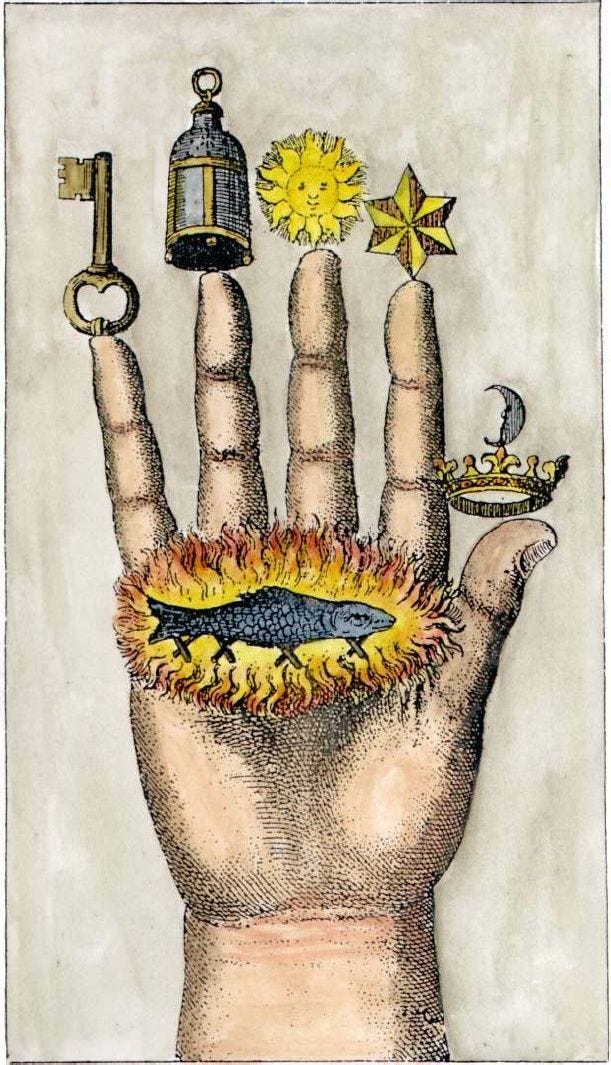
The user, through interaction with the magical interface, undergoes change. Their attention shifts their temperament. Their temperament shifts their behavior. Their behavior participates in larger patterns of meaning and exchange that exceed individual comprehension but reward participation with genuine value.
Concept becomes action. Action becomes concept. Cerebral energy transforms into libidinal energy and back again. Thoughts become artifacts imbued with power. Individual artifacts combine with others’ artifacts to unlock greater possibilities.
The interface exists to enable transformation. To create conditions for consciousness becoming more aware of itself. To participate in the ancient project of making the invisible visible, which is also the project of art, and science, and spiritual practice, and every serious inquiry into what we are and what we might become.
The Incantation
We are building unprecedented tools at this very moment. The dispersed intelligence that now threads through every domain of digital life represents a genuine discontinuity in the history of instruments. The AI agent that knows your calendar and your correspondence and your research and your creative practice and your network of relationships is something new, promising (or threatening) the ubiquity of invisible convenience.
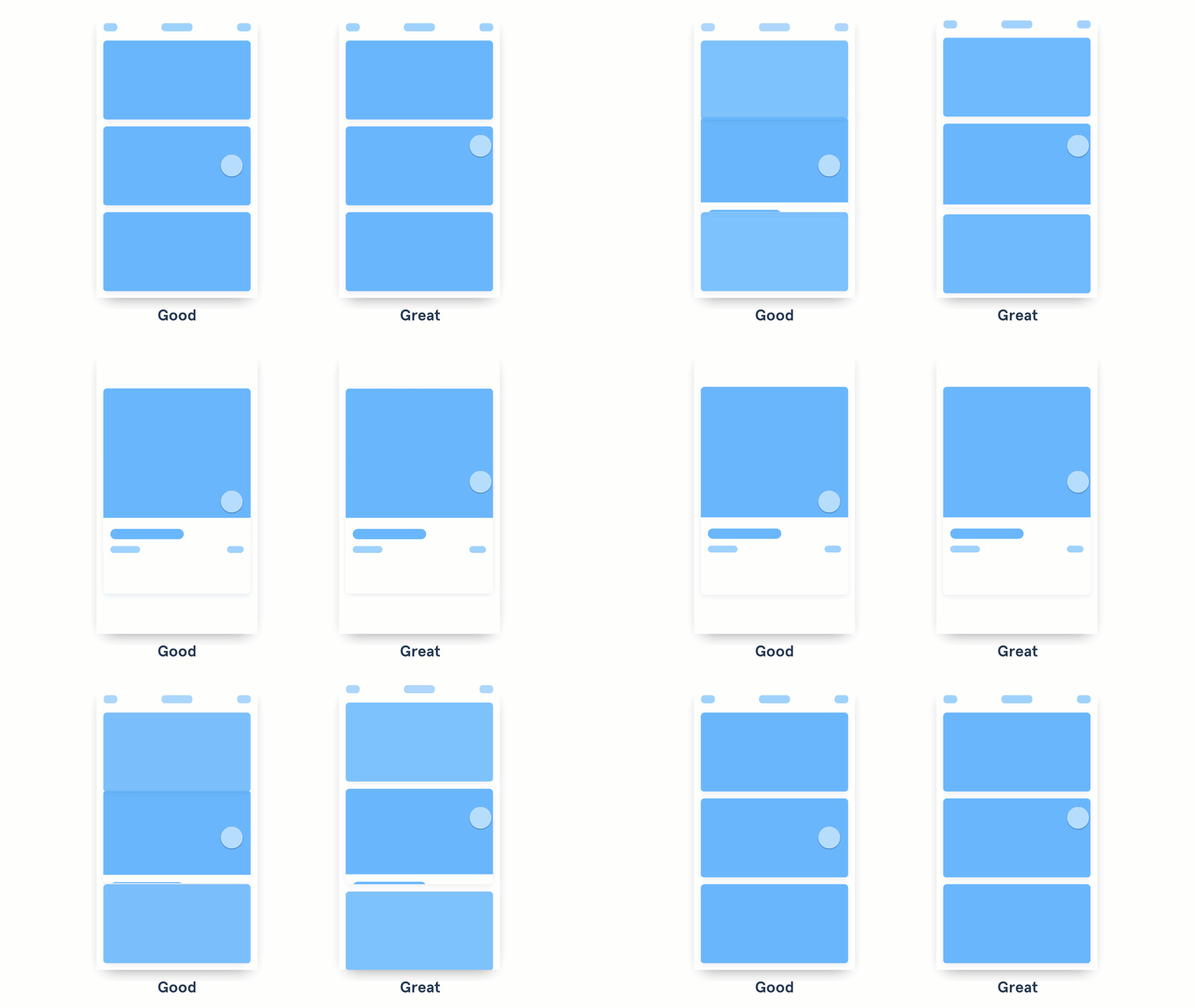
And yet we confine these tools to the same dead surfaces. The same grids. The same component libraries. The same modal windows and text fields and mesmerizing spinners that characterized software built before the discontinuity. The intelligence has become something approaching omnipresent, but the interface remains blandly bureaucratic.
The sterile interface encodes a relationship of extraction and control even when the underlying technology could enable transformation. It trains users to expect processing rather than meeting. It forecloses the very possibilities that the new instruments make available.

The magical interface is a different proposal. An invitation to build tools that match the significance of what they enable. Interfaces that create conditions for wonder. Interfaces that reward slowness. Interfaces that reveal more the longer you look. Interfaces that feel alive because they participate in their own functioning, that show you how they work by working.
Enchanting: producing the feeling of engaging with something that matters.
Illusory (in the altruistic sense): capturing attention with elegance while complex work proceeds in the background, delivering results that feel impossible, with all value flowing back to the user.
Participatory: inviting the user into collaboration - first with the system, then with peers, then with a network - creating the experience of casting spells together that exceed individual capacity.
A scrim. Translucent under the right conditions. Revealing depth. Becoming mirror, then portal, then universe.
I work in isolation as I strive to develop an open-source self hosting process... Until then... I navigate through enshittification platforms including substack... As I have not seen any accountability, responsibility or invitation to work on "the algorithm"
Tldr; I've compile a synonym set that is already in action and has been for thousands of years - at least since Pythagoras - essentially denoting meaning onto symbols;
I think maths and other information systems already do this but it's not explicit or not so much to outsiders... I'm merely a blue collar tweaker!
My point; essentially I claim there are already always diknw domains and still subjects require to come to terms. Language is epistemology, is communication, is done by presentation - aka interface. There is a common ground so even though there are nuances and a subject ought to approach symbolically - there is a 1:1 enough... The ambiguity gives leeway to subjects to show up as they are and yet still share common approaches... This is important for many reasons - one being openness as any representational communication system requires.. it's a map not territory... Albeit map making is a territory interparticipation overlooks, imo.
So by the fact that this is a language system means it's an open system that requires declaration and consent as well as accommodation over assimilation... You choose to use it and know that it's a map that points to a territory - something that holds or is the point of points... The point of maps - an order to understand and Soto merge back into versions of "the world."
Ok so all this is trying set a milieu I invite to understand - and a manifold that is infinitely expansive and/or custom to the respective user - by using a NINO - nipple-in/nipple-out mechanism... Just admit it's always versionable and open. Even if I close it for a project - another can tweak the socialized system - socialized by consenting s/objects.
I'm just gonna drop the set now ;) I hope I've given enough info to show that I am open with every single symbol I present - every word is negotiable and not even embodied yet so still quite tweakable to a undefined project... Here's the pattern I've noticed is quite 1:1 enough... And the best part is - it's ancient and connects many systems and has a fairly simpleesque coordination system!
I'll give the sets then give the elements of the sets in respective order within the synonym sets. ( So the orders are the synonyms - firsts are synonymed with firsts of other sets and so on) I call these sets pseudo-totality as they are essentially everything models - albeit any of them can be subdued into other systems as well as having capacity to subdue... Still no one can claim a totality nor does anyone or even group have capacity to understand totalities let alone hold any. Yet we always strive for the never achievable Utopia!
Pseudo-totality sets;
Plato; good, beautiful, true, back to good to complete the circuit
Pythagoras; Kosmos, harmonia, philosophia, back to Kosmos to complete circuit.
Spirit [ source ] body mind spirit [return]
Grammar; act - verb, noun, descriptor - adj/adv. , preposition
Grammar notation; <act> , (noun) , [description] , {preposition}
Alchemy: Fire , earth , air , water
<4D>, (3D), [5D] ... Returns through 4d
Transcendence, object, subjectivity, immanance
Z, X, Y and T - these are transcendental coordinates that are connected to and flatten into 3d Cartesian grids... So any point in the material world I call "the world" is a singularity that expands to a 3 dimension transcendental grid that I call 5d - and Im sure there is a connective essence many others have used - and my interpretation of Kant's transcendental idealism. Which then connects symbolically 1:1 with many aspects of academic cannon... Including y as vertical development and x as horizontal development. And z is a perspectival plane; imagine as a spreadsheet where x is the object, y is the view of object from respective position and z plane is the perspectival - and we can't take perspective! Or rather taking is merely listening... We can only ever deliberate through our own perspective sets... So any individual can have infinite z coordinates yet they all flatten representationally onto grid through a transcendental perspectival singularity... A mouth full merely to achieve a many points on grid to to one declaring them... I can view you but can't sign off as you... And we can develop group perspectives but also require to declare that and map the authority structures respectively...
One major problem is that there are many complicated words for some things that are actually so simple most chince over... What could be drawn as a fibbinacci portal from Earth (3d) domain into Air [mind] 5d] could be understood fairly simple with drawing, pointing and feedback... Has to be mapped into representational communication that is not universal! Moreover using coded symbols (the alphabet) which is not standardized nor can it be! Anyways.... Kant literally tries to do this and is infamously confusing... Yet his point is something I believe most inherently actually understand....
So to compete this enough I want to suggest anyone can use whatever system they choose. I claim most systems can be mapped onto any of these systems. But I do advocate for using 3d, 4d and 5d as they are already developed and useful and connect to each other through singularities - many people already use them in practical applications. But I do think a symbolic life approach is required for ambiguity. Also awareness that communication is a slip in time and is developed in air domain - so philosophy is map making territory and done so with representative symbols. Therefore my version of 3d is attended to through my mind - when we slip in time and enact map making.... When we in territory - being in the world - we are not communicating... And therefore don't require maps as we are being in the world with...
To rebuild society we need to attend, interpret, compare , enact, etc - each other's maps... And we need to start consenting and accommodating not assimilating... Don't freakin interpellate me into your versions of our world as a subject without my permission!
The whole endeavor feels quite sublime and it is - infinitely expansive in infinite directions.. So I like to compare to the project of updating ASCII to utf-8 ... That would have felt very daunting to have to after many years have to remap registers of bits onto new codes to include the world of other alphabets and symbols...
Our social contract is so messed up we don't have many other options. And the good news is - so much work already done , we aren't building from scratch - just coordination from scratch.
And to add a use case onto a magical frame work from Ramsey dukes sex secrets of the Blackmagician exposed [ssotbme], his quadrant system; intuition sensation, thinking and feeling maps onto what I propose - yet not totally cleanly, still enough... And the intersections actually map back into 4d which I also use to capture agency and time.. albeit its complex too... Wed have to agree on structure on a per project basis btw.
Also this all maps onto yinyang, integrals AQAL model, laske et als dialectical thought form manual...
In fact I use what I call a s/ob [subject/object - self/other being] as the atomic bit. Assuming before we subject an identifiable point - a s/ob, that thing was an effective/affective being in the world. In short it's on object that is described in object orientated ontology...
The systems already always in territory. I label my version of the maps OOE-EOO. Ontology orientated epistemology mirrored with epistemology orientated ontology. Either way, imo, the bottle neck is the interactive presentation... We haven't got options that aren't the masters tools. Which is ok in transit, but we need to be clear and we ought to be working on digital platforms that allow users to self host and have access to program the ttl switches and label them..... Community developed algorithms. Not as complex as it sounds - like most of this - orientation is what is complicated... I'm still chapped and surprised nobodies done this! 🤣
We need off the masters tools - and to do that - we need to start talking about the necessary conditions required to collaborate... Imo - this requires validation and verification of words and symbols... That is from scratch... Else we on the masters canvas.... All social media masters algorithms that assimilate and don't accommodate
Anywaysh .... I love this article as dashboards, etc are a major aspect to social organization and coordination... That is why I chimed In with my propaghandi! 😂 My communicative drive...
Feel free to reach out, however if we are serious - we'll move beyond comment sections, 😂